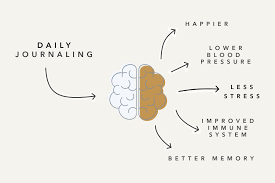
Journaling works because it provides a private space for self-reflection and emotional processing. It helps organize thoughts, reduce stress, improve memory, and foster personal growth by making internal experiences external and manageable.
The Science Behind Your Scribbles
Journaling is more than just writing down your day. There’s real brain science behind its benefits. When you write about your feelings, you use a part of your brain that helps calm you down.
This is especially true when you write about tough emotions. It’s like your brain is processing them. It helps make sense of what’s happening inside you.
Studies show that writing about stressful events can actually reduce stress hormones. Cortisol levels can drop. This happens because you’re giving your feelings a place to go.
You’re not just holding them in. You’re expressing them. This expression is a form of release.
It also helps with memory. When you write things down, your brain pays more attention. It makes a stronger memory trace.
This is why students often take notes. It helps them remember information better. Journaling does this for your personal experiences too.
How Your Brain Benefits
When you journal, you engage your prefrontal cortex. This is the thinking part of your brain. It helps you plan and make decisions.
It also helps you understand yourself. By writing, you are essentially talking to yourself. You are thinking deeply about your thoughts.
This process helps build new neural pathways. It makes your brain more flexible. It can help you see things from different angles.
It’s like giving your brain a workout. This workout makes it stronger and more adaptable. You become better at handling life’s challenges.
Emotional regulation is another big win. When you write about anger or sadness, you are not just feeling it. You are observing it.
This creates a little space between you and the emotion. This space allows you to respond more calmly. You react less impulsively.
My Own Journaling Journey
I remember a time when I felt completely overwhelmed. It was a few years ago. Work was crazy.
My personal life felt chaotic too. I couldn’t sleep well. I felt a constant knot in my stomach.
Everything felt like too much. I didn’t know where to start to fix things.
A friend suggested journaling. I was skeptical. I thought, “How can writing in a notebook help all this?” But I was desperate.
So, I bought a simple spiral notebook and a pen. The first night, I just wrote whatever came to mind. It was messy.
It was full of complaints.
But something shifted. As I wrote, I started to see patterns. I saw what was really bothering me.
It wasn’t just one big thing. It was a lot of small things piling up. Seeing them on paper made them feel less scary.
They seemed more manageable. That night, I actually slept a little better.
Slowly, I made it a habit. Some days I wrote a lot. Other days, just a few sentences.
I didn’t judge myself. I just wrote. Over time, I noticed I was less stressed.
I was making better decisions. I felt more in control of my own life. It truly changed things for me.
Journaling for Stress Relief: A Quick Look
What it does: Helps you process worries. Lets you vent feelings safely. Reduces anxious thoughts.
Why it helps: It’s a private outlet. No judgment. Your brain can work through problems on paper.
Key takeaway: Even a few minutes can ease your mind.
Understanding the “Why” Behind the Pages
Journaling works because it helps you understand your own mind. It’s like shining a light into a dark room. You can see things you couldn’t before.
You can observe your own thoughts and feelings. This observation is key to growth.
You learn about your triggers. What makes you upset? What makes you happy?
When you write these down, you can spot them. You can then choose how to respond. Instead of just reacting, you can think first.
This is a huge step forward.
It also helps you appreciate the good things. When you write down what you’re grateful for, you notice more of it. Your brain starts looking for these good moments.
It shifts your focus. You start seeing the world in a more positive light. This change in perspective is powerful.
Your Personal Narrative
Your journal becomes your personal story. It’s the story of your life. You can look back and see how far you’ve come.
You can see the challenges you’ve overcome. This can be very motivating. It reminds you of your strength.
It’s also a place to dream. You can write down your goals. You can map out your plans.
You can explore new ideas. Your journal is a safe space for all your thoughts, big or small. Nothing is too silly or too grand for its pages.
When you write about your experiences, you make them real. You give them form. This makes them easier to deal with.
It’s like taking a fuzzy thought and making it sharp and clear.
Journaling Styles: Find What Fits You
- Gratitude Journal: List things you’re thankful for daily.
- Stream-of-Consciousness: Write whatever pops into your head.
- Prompt Journal: Answer specific questions to guide your thoughts.
- Bullet Journal: Mixes to-do lists, notes, and drawings.
- Dream Journal: Record your dreams upon waking.
The Power of Regular Practice
Consistency is what makes journaling so effective. It’s not about writing a masterpiece every time. It’s about showing up for yourself.
Even five minutes a day can make a big difference.
Think of it like exercise. You don’t get fit from one gym visit. You get fit from regular workouts.
Journaling is mental exercise. The more you do it, the stronger your mental muscles become. You become better at self-awareness and emotional control.
When you make it a habit, it becomes automatic. You don’t have to think about it. You just do it.
This routine can bring a sense of calm. It’s a predictable part of your day. This predictability is comforting.
Building the Habit
Start small. Don’t try to write for an hour at first. Just aim for five minutes.
Or even just one sentence. The goal is to open the notebook and write something.
Find a time that works for you. Maybe it’s first thing in the morning. Or before bed.
Some people like to journal during their lunch break. Experiment to see what feels right. Link it to an existing habit.
For example, journal right after you brush your teeth.
Keep your journal and pen in a place you’ll see them. This serves as a reminder. Leave your journal on your bedside table.
Keep a pen in the same spot. Make it easy to start. The less friction, the more likely you are to do it.
When to Journal: Finding Your Moment
Morning: Set intentions, clear your mind for the day.
Midday: Process stress, take a mental break.
Evening: Reflect on the day, release tension before sleep.
After Events: Process significant experiences or emotions.
Journaling for Emotional Well-being
Journaling is a fantastic tool for managing emotions. It helps you label your feelings. This is important.
When you can name an emotion, you can understand it better. Is it anger? Is it frustration?
Is it sadness?
By writing about them, you can explore where they come from. What triggered this feeling? What are the thoughts connected to it?
This exploration is healing. It helps you release pent-up emotions. You don’t have to carry them around.
It can also help you identify negative thought patterns. Are you always thinking the worst? Do you criticize yourself a lot?
Seeing these patterns on paper can be eye-opening. You can then start to challenge them. You can
Dealing with Difficult Feelings
When you’re feeling sad, writing about it can feel like a relief. It’s like sharing a burden. You don’t have to talk to anyone if you don’t want to.
Your journal is always there. It’s a safe space for your rawest feelings.
For anger, journaling can help you cool down. Instead of lashing out, you can write it all down. You can express your frustration without hurting anyone.
This is a much healthier outlet.
If you’re feeling anxious, writing down your worries can make them seem smaller. It helps you see them more objectively. You can list your fears.
Then you can think about what you can control. This gives you a sense of agency.
Quick Checks for Emotional Balance
- Pause and Breathe: Before journaling, take a few deep breaths.
- Write Freely: Don’t worry about grammar or spelling.
- Focus on Feelings: Describe how you feel in your body and mind.
- Look for Patterns: Notice recurring themes or triggers.
- End on a Positive Note (Optional): If possible, find something to be hopeful about.
Journaling and Personal Growth
Journaling is a powerful engine for personal growth. It helps you learn about yourself. You discover your strengths.
You also see your weaknesses. This self-awareness is the first step to improvement.
You can set goals in your journal. You can break them down into smaller steps. You can track your progress.
Seeing yourself achieve these steps builds confidence. It shows you that you are capable of change. You can grow and evolve.
It also helps you learn from your mistakes. Instead of dwelling on them, you can reflect on what happened. What could you have done differently?
What did you learn from the experience? This turns mistakes into lessons.
Tracking Your Progress
Looking back at old journal entries is like looking at old photos. You can see how much you’ve changed. You can see how your thinking has evolved.
This perspective is invaluable.
You can also use your journal to track specific goals. If you want to be more patient, write about situations where you struggled. Then write about how you could have handled them better.
Over time, you’ll see improvement.
It’s also a place to celebrate your wins. Big or small, write them down. This reinforces positive behavior.
It keeps you motivated. It reminds you of your successes. This boosts your self-esteem.
What to Write About for Growth
Goal Setting: Write down your dreams and how to reach them.
Lesson Learned: Reflect on mistakes and what you gained.
New Skills: Document your journey learning something new.
Self-Discovery: Explore your values, beliefs, and passions.
Future Self: Write a letter to your future self.
Journaling for Memory and Clarity
Our minds are busy places. We think about the past. We plan for the future.
We juggle many thoughts at once. This can lead to forgetfulness. It can also lead to confusion.
Journaling helps clear this mental clutter. When you write things down, your brain doesn’t have to hold onto them so tightly. It can relax.
This frees up mental space. You become more focused.
It improves your ability to recall information. By writing down details, you create a record. You can refer back to it later.
This is especially helpful for details about events or conversations.
Making Your Thoughts Visible
Seeing your thoughts on paper makes them concrete. They are no longer just fleeting ideas. They have a presence.
This makes them easier to analyze. It helps you spot inconsistencies or gaps in your thinking.
If you’re trying to make a decision, journaling can help. You can list pros and cons. You can explore different scenarios.
You can write out your gut feelings. This process brings clarity. It guides you toward a decision you feel good about.
It also helps you remember important information. Did you have a great idea at 2 AM? Write it down!
Did you learn something new in a meeting? Jot it down. Your journal acts as an external hard drive for your brain.
Memory Boosters Through Writing
- Daily Recap: Write 3-5 key things that happened today.
- Idea Capture: Jot down any new ideas as they strike.
- Learning Log: Note down new facts or skills you acquire.
- Conversation Notes: Briefly summarize important discussions.
- Future Plans: Write down tasks or appointments for later.
Common Journaling Myths Debunked
There are a lot of ideas about journaling that aren’t quite right. Let’s clear some of them up. Many people think they have to write perfectly.
This is not true. Your journal is for you. It doesn’t need to be grammatically perfect or beautifully written.
Some people believe they need to write every single day. While consistency is good, missing a day or two is okay. Life happens.
Don’t let a missed day stop you. Just pick up where you left off.
Another myth is that you need a fancy journal or expensive pens. This is simply not true. A cheap notebook and a basic pen will work just fine.
The most important thing is what goes into the journal, not what it looks like.
What Journaling Is NOT
Journaling is not a diary. A diary usually just records events. A journal is for deeper reflection.
It’s about your thoughts and feelings. It’s about processing what happened, not just listing it.
It’s also not a place for others to judge. Unless you choose to share your journal, it’s private. This privacy is what makes it such a powerful tool.
You can be completely honest. There are no consequences for your writing.
Journaling is not a magical cure. It won’t fix all your problems overnight. It’s a tool.
Like any tool, its effectiveness depends on how you use it. It requires your effort and attention. But the results are often profound.
Myth vs. Reality
Myth: You must write every day.
Reality: Consistency is helpful, but don’t let a missed day stop you.
Myth: Journals must be fancy.
Reality: Any notebook and pen will do the job.
Myth: You need perfect grammar.
Reality: Your journal is for you; focus on expression, not perfection.
Getting Started: Simple Steps
Ready to give journaling a try? It’s simpler than you might think. First, get a notebook and a pen.
That’s it for supplies. You don’t need anything else to start.
Next, find a quiet spot where you won’t be disturbed. Even five minutes is a great start. Set a timer if it helps.
This way, you don’t have to worry about the time.
Now, just start writing. Don’t overthink it. What’s on your mind right now?
What happened today? How are you feeling? Just let the words flow.
There’s no right or wrong way to do it.
Prompts to Get You Going
If you’re stuck for words, try these simple prompts:
- What is one thing I’m grateful for today?
- How am I feeling right now, and why?
- What was the best part of my day?
- What is one challenge I faced, and how did I handle it?
- What is something I learned today?
- What is one small goal I have for tomorrow?
You can also try drawing or doodling in your journal if writing feels hard. The goal is to express yourself. Whatever form that takes is good.
Your First Journaling Session: A Mini-Guide
1. Grab Supplies: Notebook and pen.
2. Find Space: Quiet place, few minutes of time.
3. Start Writing: Whatever comes to mind.
4. Use a Prompt (If Stuck): See above list.
5. Don’t Judge: Just express yourself.
The Long-Term Impact of Journaling
The true power of journaling unfolds over time. It’s not a quick fix, but a lifelong companion. As you continue to write, you build a deeper understanding of yourself.
You gain wisdom from your own experiences.
This practice helps you navigate life’s ups and downs with more grace. You become more resilient. You handle stress better.
Your relationships may improve because you understand yourself more clearly.
The clarity and peace that journaling can bring are immense. It helps you live a more intentional life. You become more aware of your choices.
You align your actions with your values. It’s a journey of continuous self-discovery.
Making it Stick
The key to long-term benefits is consistency. Make journaling a non-negotiable part of your routine. Treat it like brushing your teeth or eating meals.
It’s essential self-care.
Periodically review your old entries. This is where you’ll see your growth. You’ll remember forgotten lessons.
You’ll be reminded of your journey. This reflection fuels further progress.
Don’t aim for perfection. Aim for presence. Be present with your thoughts and feelings.
This mindful approach will yield the greatest rewards. Journaling works because it connects you to your inner self.
Frequently Asked Questions about Journaling
Is there a best time of day to journal?
There’s no single best time for everyone. Morning journaling can help set intentions and clear your mind for the day. Evening journaling can help you process events and wind down before sleep.
Some people find midday journaling helpful for managing stress. The best time is whenever you can consistently make it a habit.
Do I need a special type of notebook?
No, you don’t need a special notebook. Any notebook will work perfectly fine, from a simple spiral-bound pad to a fancy leather-bound journal. The content you write is far more important than the notebook itself.
A pen that you enjoy writing with is helpful, though!
What if I don’t know what to write?
It’s common to feel stuck at first. Try using prompts! You can find thousands of journaling prompts online related to gratitude, self-discovery, goals, or emotions.
You can also simply write about your day, how you’re feeling, or what’s on your mind. The key is to start writing, even if it’s just a few sentences.
How long should I journal for?
Start small! Even five minutes of journaling can be beneficial. As you get more comfortable, you can gradually increase the time.
Some people journal for 10-15 minutes, while others spend 30 minutes or more. Consistency is more important than duration, especially when you’re starting out.
Is journaling the same as keeping a diary?
While both involve writing, journaling typically focuses more on exploring thoughts, feelings, and self-reflection. A diary often focuses more on recording daily events. Journaling is about processing your inner world, while a diary is more about documenting your outer experiences.
Can journaling really help with stress and anxiety?
Yes, absolutely. Journaling provides a safe outlet for expressing worries and frustrations. Writing about stressful events can help you process them, reduce rumination, and gain a sense of control.
This act of externalizing your thoughts can significantly lower stress and anxiety levels.
Your Personal Reflection Tool
Journaling is a powerful, accessible tool for self-improvement. It helps you understand your emotions, boost your memory, and grow as a person. The process is simple but the impact is profound.
Start small, be consistent, and let your journal be your guide.