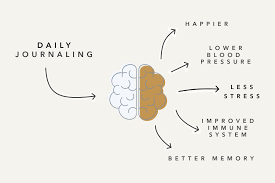
It’s tough when your mind feels like a tangled mess. You might feel restless or down. Lots of folks look for ways to feel better.
One simple thing can make a big difference. It’s writing down your thoughts. This practice is called journaling.
It helps clear your head. It can boost your mood. It can also help you understand yourself more.
Let’s dive into how this can change things for you.
Journaling for mental health involves regularly writing down your thoughts, feelings, and experiences. This simple habit can reduce stress, improve emotional regulation, foster self-awareness, and enhance overall well-being by providing a private space for reflection and processing emotions.
What is Journaling for Mental Health?
Journaling for mental health is a way to write down what’s on your mind. It’s not like writing a school paper. There are no rules about spelling or grammar.
You just write what you feel. You can write about your day. You can write about your worries.
You can write about things that make you happy. This kind of writing helps you sort things out. It’s a personal space just for you.
It’s a tool to help your mind feel clearer. It’s about getting your thoughts out of your head and onto paper. This act can be very freeing.
It helps you see patterns in your feelings. It can show you what triggers certain moods. This awareness is the first step to feeling better.
Why does this work? Our brains are busy. They hold onto so many thoughts.
Sometimes, these thoughts can feel overwhelming. Writing them down gives them form. It takes them from a swirl inside to something you can look at.
Think of it like tidying a messy room. You move things around. You put them in boxes.
You can see what you have. You can decide what to keep. Journaling does this for your thoughts and feelings.
It helps you organize the mental clutter. This makes your mind feel lighter and more manageable.
Many people find it hard to talk about their feelings. Journaling offers a safe way to express them. You don’t need to worry about what someone else thinks.
It’s just you and your thoughts. This private outlet is powerful. It allows for honesty.
It allows for vulnerability. This can lead to deep insights. It can lead to emotional release.
It helps you process difficult events or feelings. It can even help you celebrate good times.
My Own Journaling Journey
I remember a time when work stress felt like a heavy blanket. I couldn’t sleep well. I felt grumpy a lot.
My mind raced with to-do lists. I felt stuck. One evening, feeling particularly drained, I grabbed an old notebook.
I just started writing. I wrote about how I felt. I wrote about the projects bothering me.
I wrote about my fears of not doing enough. It wasn’t pretty writing. Words were scribbled.
Sentences were short. But after maybe ten minutes, I felt a shift. It was like a little bit of that heavy blanket lifted.
The racing thoughts slowed down. I could actually breathe a bit easier. It was a small moment, but it showed me the power of putting it on paper.
That was the start for me. I didn’t stick with it perfectly at first. Some days I’d write a lot.
Other days, I’d just jot down a few lines. But I kept coming back to it. I started noticing things.
I noticed when I was feeling anxious, I often wrote about specific worries. I also saw that on days I felt more upbeat, I tended to write about things I was grateful for. This connection between my writing and my mood was eye-opening.
It made me realize I had more control than I thought. It wasn’t about solving every problem in my journal. It was about understanding them better.
This understanding was the first step toward change.
What stood out was how much easier it was to remember things. When I wrote down a concern, it was logged. I didn’t have to keep replaying it in my head.
This freed up mental space. It allowed me to focus on solutions or just relax. Even writing about good things helped.
It made those good moments feel more real. It helped me appreciate them more. This practice became my go-to for when life felt a bit much.
It’s like a mini-retreat for my mind, anytime I need it.
Quick Journaling Tips for Beginners
Start Small: Don’t aim for an hour. Five minutes is great. Just get started.
No Judgment: Write whatever comes to mind. It’s for your eyes only.
Anytime Works: Morning, night, or during a break. Find what fits you.
Keep it Simple: Use a notebook and pen, or a simple app.
Be Honest: Let your true feelings out. That’s where the magic happens.
The Science Behind the Calm
There’s real science to back up why journaling helps. When you write about stressful things, it’s called “expressive writing.” Studies show this can actually lower your body’s stress response. Your heart rate might slow down.
Your blood pressure can drop. This is because you are processing the stress. You are making sense of it.
You are taking control. This reduces the constant alert mode your body might be in.
Your brain also benefits. Writing helps you connect different parts of your brain. It links the emotional parts with the thinking parts.
This helps you understand why you feel a certain way. It’s not just a random feeling. There’s a reason.
When you can see the reason, you can deal with it. This is especially true for big emotions like sadness or anger. Journaling can help you name these emotions.
It helps you understand what caused them. This understanding makes them less scary.
It also helps build self-awareness. You start to notice your own thoughts. You see your personal patterns.
Are you often worried about the same things? Do certain situations always make you feel a certain way? Journaling helps you see these habits.
This awareness is super important. It means you can choose to change those habits. You aren’t just going through life on autopilot.
You are actively understanding yourself. This is a huge step for mental well-being.
Journaling Styles: Find Your Fit
Gratitude Journal: Write down things you are thankful for. Even small things count.
Free Writing: Just write whatever comes to mind. Don’t stop for a set time.
Stream of Consciousness: Write as fast as you can. Let thoughts flow without editing.
Prompt Journal: Use questions to guide your writing. (e.g., “What made me smile today?”)
Dream Journal: Record your dreams. This can reveal hidden thoughts.
Boosting Your Mood Through Writing
Feeling down? Journaling can be a powerful tool to lift your spirits. When you write about positive experiences, you amplify them.
You revisit those good feelings. You make them more vivid. This is called “positive affect journaling.” It’s about focusing on the good stuff.
It’s not about ignoring bad things. It’s about giving attention to the joy too.
Think about a time you felt really happy. Maybe you spent time with a friend. Maybe you achieved a goal.
When you write about this, you’re reliving it a bit. You’re bringing those happy feelings back. This can actually change your brain chemistry.
It can release mood-boosting chemicals. Over time, this practice can make you feel happier more often. It trains your brain to notice the good.
Journaling also helps with perspective. When you’re stuck in a bad mood, it can feel like it will last forever. Writing about it helps you see that it’s temporary.
You can write about how you felt yesterday. You can write about how you hope to feel tomorrow. This helps you realize that feelings change.
They are not permanent states. This realization can be incredibly comforting. It offers hope when you might not see any.
It’s also great for problem-solving. Sometimes, problems feel huge and unsolvable. When you write them down, you can break them into smaller pieces.
You can list out the issues. You can brainstorm possible solutions. You can write about the steps you can take.
This active approach can make you feel more in control. Feeling in control is a big mood booster. It takes away that feeling of helplessness.
Contrast: Normal Worry vs. Concerning Worry
| Normal Worry | Concerning Worry |
| Short-lived, tied to specific events. | Persistent, hard to control, lasts weeks. |
| Doesn’t stop daily activities. | Interferes with work, school, or fun. |
| You can usually reason through it. | Feels overwhelming, causes panic. |
| Often resolved once the event passes. | Causes physical symptoms (sleep issues, headaches). |
| You can seek advice and feel better. | Leads to avoidance of common situations. |
Reducing Anxiety with a Pen
Anxiety often comes from thinking about the future. We worry about what might happen. We replay worst-case scenarios.
Journaling helps anchor you in the present. When you write about your current feelings, you are not lost in future worries. You are here, now.
This focus on the present moment is a key technique for managing anxiety.
You can use your journal to confront your fears. Write down what specifically makes you anxious. What are the thoughts?
What are the physical feelings? Once they are written, you can look at them. Are these fears realistic?
What is the worst that could actually happen? Often, when we write our fears down, they seem less powerful. They lose their fuzzy, overwhelming quality.
They become more concrete and manageable.
Journaling can also help you identify triggers. You might notice that certain topics or situations always lead to anxious writing. For example, you might find yourself writing a lot about finances before a bill is due.
Or you might write about social events leading up to them. Recognizing these triggers allows you to prepare. You can use your journaling practice before the anxiety fully hits.
It’s also a way to practice self-soothing. You can write comforting words to yourself. You can remind yourself of past times you overcame anxiety.
You can list things that help you relax. This could be deep breaths, a walk outside, or listening to music. Your journal becomes a personal toolkit for calm.
It’s a place to remind yourself of your own strength and resilience.
My Anxiety Journal Snapshot
Trigger: Upcoming work presentation.
Thoughts: “I’ll forget my words. People will think I’m not smart. I’ll look foolish.”
Feelings: Butterflies in stomach, shaky hands, racing heart.
Reality Check: “I’ve prepared for this. I know the material. It’s okay to pause.
Most people are supportive.”
Action/Comfort: “Practice out loud tonight. Take deep breaths before starting. Remember I did well last time.”
Developing Self-Awareness and Insight
This is where journaling really shines. It’s like having a mirror for your mind. You start to see yourself more clearly.
You notice your core beliefs. You see your values. You understand your motivations.
This level of self-knowledge is vital for personal growth.
When you regularly write, you create a record of your inner world. You can look back at entries from weeks or months ago. You might see how much you’ve changed.
You might see recurring themes in your thoughts. This can reveal things you weren’t consciously aware of. For instance, you might notice a pattern of self-criticism.
Or you might see a tendency to people-please.
This insight helps you make conscious choices. Instead of acting on old habits, you can choose differently. If you see you’re being too hard on yourself, you can consciously try to be kinder.
If you notice you’re saying “yes” to too much, you can practice saying “no.” Journaling gives you the information you need to guide your actions. It moves you from reacting to responding.
It also helps you understand your relationships. You can write about interactions with others. You can explore your feelings about them.
Why did a certain conversation bother you? What did you want to happen? This can reveal unmet needs or communication styles.
It helps you understand your role in your relationships. This can lead to healthier connections. It helps you set better boundaries too.
Observational Flow: Recognizing Patterns
Morning: Wake up feeling tired. Write about the lack of sleep.
Mid-day: Work is stressful. Write about feeling overwhelmed by tasks.
Evening: Reflect on the day. Notice a recurring thought about not being good enough.
Later Evening: Write about a small positive event – a kind word from a colleague. Feel a slight lift.
Before Sleep: Jot down one thing to be grateful for. Feel a bit more peaceful.
Journaling for Emotional Regulation
Emotional regulation is the ability to manage your feelings. It’s not about suppressing emotions. It’s about understanding them and responding in a healthy way.
Journaling is a fantastic tool for this. When strong emotions arise, writing them down can help. It gives you distance from the emotion.
It allows you to observe it without being completely swept away.
Imagine you’re feeling really angry. Instead of snapping at someone, you grab your journal. You write about why you’re angry.
What happened? What specifically made you upset? As you write, the intensity of the anger might lessen.
You can then think more clearly about how to express your feelings constructively. You can decide if you need to talk to someone or if the feeling will pass.
Journaling also helps you build emotional resilience. By repeatedly working through difficult feelings on paper, you get better at it. You learn that you can handle tough emotions.
You learn that they don’t last forever. This builds confidence. It makes you less afraid of your own feelings.
You become more comfortable sitting with discomfort.
You can also use your journal to track your emotional well-being over time. Are there certain times of year that are harder? Are there particular events that consistently bring up certain feelings?
This tracking helps you anticipate challenges. It also helps you see what strategies work best for you. It’s like building a personal map of your emotional landscape.
Stacked Micro-Sections: Emotional Check-in
Current Feeling:
Intensity (1-10):
What Caused It:
Physical Sensations:
What I Need Now:
What This Means for You
So, what does all this mean for you? It means you have a simple, accessible tool right at your fingertips. You don’t need special skills or expensive equipment.
A notebook and a pen are enough. Or even just your phone’s notes app.
When it’s normal: It’s totally normal to feel a range of emotions. It’s normal to have worries and stresses. It’s normal to sometimes feel overwhelmed.
Journaling helps you navigate these normal ups and downs. It helps you feel more in control of your mental state.
When to worry: If journaling brings up overwhelming distress that you can’t manage, that’s a sign. If your thoughts become too dark or disturbing, and you feel unsafe. If you consistently feel worse after journaling, it might be time to seek professional help.
This is not a replacement for therapy, but a great supplement.
Simple checks: How do you feel after writing? Do you feel a little lighter? A little clearer?
Even a small positive shift is a win. Don’t expect magic overnight. Small, consistent steps add up.
If you feel a sense of relief or understanding, you’re on the right track.
Journaling can help you build resilience. It can help you cope better with life’s challenges. It can lead to a more peaceful mind.
It’s a practice that grows with you. The more you do it, the more you get out of it. It’s a journey of self-discovery and self-care.
Quick Fixes & Tips for Success
Find Your Sacred Space: Pick a quiet spot where you won’t be interrupted. This could be a comfy chair, a park bench, or just a corner of your room.
Set a Timer: This helps you stay focused. Start with 5-10 minutes. You can gradually increase it if you like.
Don’t Censor Yourself: Your journal is a judgment-free zone. Write about anything and everything. No thought is too small or too silly.
Date Your Entries: This helps you track your progress and see how you’ve evolved over time.
Keep it Accessible: Have your journal and pen easily available. This makes it less likely you’ll skip a session.
Experiment with Prompts: If you don’t know what to write, use prompts. Search online for “journaling prompts for anxiety” or “gratitude journal prompts.”
Review Your Entries (Sometimes): Looking back can offer valuable insights. See how far you’ve come. Notice recurring themes.
But only do this when you feel ready and it feels helpful.
Frequently Asked Questions
How often should I journal for mental health?
Aim for consistency rather than frequency. Even writing 3-4 times a week for 5-10 minutes can be beneficial. Some people prefer daily journaling, while others find benefit in longer, less frequent sessions.
Find what works best for your schedule and your needs.
What if I don’t know what to write about?
Start with simple observations. Describe your surroundings, what you had for breakfast, or how you are feeling physically. You can also use prompts.
Ask yourself: “What is one thing that made me happy today?” or “What am I worried about right now?” The goal is to get words on the page.
Can journaling replace therapy?
Journaling is a powerful tool for self-help and can significantly improve mental well-being. However, it is not a substitute for professional therapy. If you are dealing with significant mental health challenges, it’s essential to seek guidance from a qualified therapist.
Journaling can be a wonderful complement to therapy.
Is it okay to write negative things in my journal?
Absolutely. Your journal is a safe space for all your thoughts and feelings, positive or negative. Writing about difficult emotions can actually help you process them and reduce their intensity.
It’s about getting them out in a healthy way, not about pretending they don’t exist.
What kind of journal should I use?
The best journal is the one you will actually use! Many people prefer a simple notebook and pen because it feels more tangible and personal. Others find digital journaling apps more convenient for accessibility and privacy.
Experiment to see which format feels right for you.
Can journaling help with trauma?
Yes, journaling can be a part of trauma recovery, especially when guided by a professional. Expressive writing about traumatic experiences can help process difficult memories and reduce distress. However, it is crucial to approach this cautiously and ideally with the support of a therapist experienced in trauma work to ensure safety and prevent re-traumatization.
Conclusion
Journaling for mental health is a gentle yet profound practice. It offers a private space for reflection. It helps untangle complex thoughts and feelings.
By writing regularly, you can reduce stress, lift your mood, and gain valuable self-awareness. This simple act empowers you to understand yourself better and navigate life’s challenges with more ease and calm. Start today and see where your words take you.