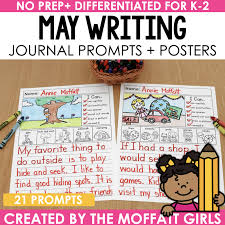
It feels like just yesterday my son, Leo, was staring blankly at his notebook. He had a school assignment: “Write about your feelings.” His face crumpled. “Mom,” he sighed, “I don’t have feelings. Or I can’t find the words.” Sound familiar? Maybe for you, or maybe you’re looking for ways to help a young person in your life find their voice. School can be tough. There’s homework, tests, friendships, and figuring out who you are. Sometimes, it all feels like too much. Getting thoughts out of your head and onto paper can be a game-changer. It’s like untangling a big knot. This is where journaling comes in. It’s a private space for your thoughts. It’s a way to understand yourself better. It helps you get through hard times. And it can even make you a better writer. Let’s dive into some ideas to get those pens moving.
Writing down your thoughts can help students understand themselves better. It improves writing skills and offers a way to manage stress. This guide provides many prompts to get students started. It covers different feelings and experiences. The goal is to make journaling simple and helpful.
What Is Journaling For Students?
Journaling means writing down your thoughts and feelings. It’s a private notebook. No one else has to read it.
For students, it’s a tool. It helps them think about their day. It helps them think about their life.
They can write about anything. School events are a common topic. But they can also write about hobbies.
Or worries. Or dreams. It’s a space to be honest.
Why is it helpful for young minds? Well, kids and teens are growing fast. They are learning so much.
Their brains are changing. They are also dealing with new social situations. They are figuring out what they like.
And who they want to be. Sometimes these feelings are confusing. Journaling helps make sense of it all.
It gives them a place to sort things out.
Think of it like a conversation with yourself. But on paper. You can ask yourself questions.
Then you can try to answer them. This helps you learn about your own patterns. It helps you see how you react to things.
It’s a quiet moment. In a busy world. It’s a chance to slow down.
And just be with your thoughts.
My Own Journaling Journey
I remember being in middle school. I felt like a total outsider. New school, new town, no friends.
I was so shy. I used to eat lunch alone in the library. The silence was deafening.
One day, my English teacher suggested we keep a journal. I was skeptical. What could I even write about?
My life felt so boring. But I tried. I started writing about the weird cafeteria food.
Then I wrote about the funny way the clock ticked in class. I wrote about the book I was reading.
Slowly, my entries got a little deeper. I wrote about feeling lonely. I wrote about wanting to talk to the kids at lunch.
I felt a little silly at first. But there was a strange relief. It was like getting a heavy weight off my chest.
I didn’t have to pretend to be okay. The page didn’t judge me. It just listened.
One day, I wrote a funny story about a pigeon I saw outside. I read it back and laughed. It felt good.
That small spark of joy was a turning point. It showed me that even small things could be worth writing about. It made me feel a little less alone with myself.
Journaling Tips for Beginners
Start Small: Don’t aim for a novel. A few sentences are fine.
Be Honest: Write what you really think. No one else sees it.
Don’t Censor: Just let the words flow. You can fix them later.
Find a Time: Try writing before bed or in the morning.
Keep it Simple: Use a notebook and pen. Or a digital doc.
Why Journaling Is Great for Students
Let’s talk about all the good stuff journaling can do. It’s not just about filling pages. It’s about growth.
And well-being. It’s a skill that can help them for years. Even after school is done.
One big benefit is understanding feelings. Kids often have big emotions. They might feel angry.
Or sad. Or excited. But they don’t always know why.
Or how to deal with it. Writing it down helps name the feeling. It helps see what caused it.
This is super important for growing up. It’s called emotional intelligence. And journaling builds it.
It also helps with thinking skills. When you write, you organize thoughts. You connect ideas.
This helps you problem-solve. You can look at a situation. Then write about it.
Then think about solutions. It makes you a better thinker. It helps you see things clearly.
And let’s not forget writing. Practice makes perfect. The more you write, the better you get.
Journaling helps students find their own voice. They learn to express themselves. They can try different styles.
They can play with words. This isn’t just for English class. Good communication is key in life.
Finally, it’s a stress reliever. School can be a pressure cooker. Tests, homework, social stuff.
It can pile up. Journaling is like a mini-vacation for the mind. It’s a safe place to let go of worries.
Even just five minutes can help. It’s a healthy way to cope. Instead of holding it all in.
Journaling Styles to Try
Free Writing: Just write whatever comes to mind. No rules.
Gratitude Journal: List things you are thankful for each day.
Dream Journal: Write down your dreams when you wake up.
Daily Reflection: What happened today? How did you feel?
Art Journal: Draw or sketch your thoughts. Add a few words.
Getting Started: Easy Journal Prompts
Okay, you’re ready to try. But staring at a blank page can still be scary. That’s where prompts come in.
Think of them as little sparks. To get your creative fire going. Here are some easy ones to start with.
They cover different areas of life.
My Day and My Feelings
Prompts about the day help capture moments. They are often simple. But can lead to deeper thoughts.
Try these:
What was the best part of my day today?
What made me feel a little sad or upset today?
What did I learn today, at school or elsewhere?
What was something funny that happened?
How did I feel when I woke up this morning?
What is one thing I am looking forward to tomorrow?
These prompts help students recall their day. They encourage them to think about emotions. They are good for daily use.
Exploring Yourself
These prompts help students think about who they are. What they like. And what they believe.
It’s like a personal exploration.
If I could have any superpower, what would it be and why?
What is my favorite song right now? What does it make me feel?
What is something I am good at?
What is a skill I would like to learn?
Who is someone I admire? What do I admire about them?
What makes me happy?
What is something that scares me a little?
These questions help build self-awareness. They encourage positive self-talk. They explore personal interests.
Quick Scan: Prompts for Different Moods
Feeling Happy: What made me smile today? What am I grateful for?
Feeling Sad: What is bothering me? Who can I talk to?
Feeling Angry: What made me mad? How can I calm down?
Feeling Confused: What questions do I have? What do I need to figure out?
Feeling Bored: What can I do to make things more interesting? What’s something new I can try?
Imagination and Creativity
These prompts let students’ imaginations run wild. They can be fun. And very freeing.
If animals could talk, what would my pet say to me?
Imagine you found a secret door. Where does it lead?
What if you could travel to any place in the world? Where would you go?
If you could invent something, what would it be?
Write a story about a magical object you found.
Imagine you are a superhero. What is your mission?
These prompts encourage creative thinking. They can be a great break from schoolwork.
School and Learning
Journaling can also help with school. It can make learning feel more personal.
What is my favorite subject in school? Why?
What is the hardest subject for me? What makes it hard?
What is one thing I want to remember from today’s class?
How do I learn best?
If I could teach my class one thing, what would it be?
What are my goals for this school year?
These questions link journaling to academics. They help students reflect on their learning process.
Contrast Matrix: Journaling Myths vs. Reality
Myth: You need to write a lot every time.
Reality: Even a few sentences can be helpful.
Myth: It has to be perfect grammar and spelling.
Reality: It’s for you. Focus on your thoughts.
Myth: You have to write every single day.
Reality: Write when you feel you need to. Consistency is good, but don’t force it.
Myth: You must write about deep, serious things.
Reality: Write about anything that crosses your mind.
Deeper Prompts for Reflection
As students get more comfortable, they might want to explore more. These prompts encourage deeper thinking. They touch on values.
And personal growth.
Values and Beliefs
What are the most important things to me in life?
What does it mean to be a good friend?
What do I believe is true, even if others disagree?
What kind of person do I want to be?
What makes a life meaningful?
Challenges and Growth
What is a challenge I overcame? How did I do it?
What is something I failed at? What did I learn from it?
What is a fear I want to face?
How have I changed in the last year?
What is one way I can be braver?
Future and Dreams
What do I hope for my future?
If my life were a book, what would the next chapter be about?
What kind of impact do I want to have on the world?
What does success look like for me?
What advice would I give to my future self?
These prompts are more abstract. They require more thought. They can lead to significant insights.
Observational Flow: How Journaling Helps
Step 1: Capture the Moment
A student has a busy day. Lots of things happen. They feel many things.
Step 2: Write It Down
They pick a prompt or just start writing. They put their thoughts on paper.
Step 3: Reflect and Understand
Reading their words helps them see patterns. They understand their feelings better.
Step 4: Gain Insight
This new understanding helps them cope. They can make better choices.
Step 5: Grow
Over time, this leads to self-awareness. And personal growth.
Making Journaling a Habit
Prompts are great. But the real magic happens when journaling becomes a habit. Like brushing your teeth.
Or eating breakfast. It takes a little effort at first. But it becomes easier over time.
First, choose the right tools. Some kids love fancy notebooks. Others prefer a simple spiral one.
Some like to type on a laptop or tablet. There’s no right or wrong. It just needs to feel good to them.
Having a special pen can also make it feel more inviting.
Next, find your time. When are you most likely to sit down and write? For some, it’s right after school.
For others, it’s before bed. Maybe it’s during a quiet time on the weekend. Experiment.
See what works best. Even five minutes counts.
Then, don’t overthink it. The goal is to get words down. Not to write a masterpiece.
If a prompt feels too hard, skip it. If you just want to doodle, do that. The important thing is to engage.
To let the pen move.
It can also help to set small, achievable goals. Maybe it’s writing three times this week. Or writing for just three minutes each time.
Celebrate small wins. This keeps motivation up. If you miss a day, it’s okay.
Just start again the next day. It’s not about perfection. It’s about the process.
Finally, make it enjoyable. Decorate your journal. Use colorful pens.
Stick in pictures or quotes. Turn it into something you look forward to. If it feels like a chore, it’s harder to stick with.
Stacked Micro-Sections: Benefits Recap
Self-Awareness: Helps students understand their emotions and thoughts better.
Emotional Regulation: Provides a tool for managing stress and difficult feelings.
Writing Skills: Improves vocabulary, grammar, and expression through practice.
Problem-Solving: Encourages structured thinking and finding solutions.
Creativity: Offers a space for imagination and exploring new ideas.
Resilience: Helps students process challenges and learn from mistakes.
When to Seek Extra Support
Journaling is a wonderful tool. But it’s not a
If a student is constantly writing about very dark thoughts. Or thoughts of hurting themselves. This is a serious sign.
They should talk to a trusted adult right away. This could be a parent, teacher, counselor, or doctor.
If their journal entries show extreme sadness. Or anxiety that lasts for weeks. And it affects their daily life.
Like not wanting to go to school. Or not wanting to see friends. This is also a reason to get help.
If they are having trouble sleeping. Or eating. Or if they seem withdrawn and unhappy most of the time.
These are signs that something more might be going on.
Schools often have counselors. They are trained to help students with these kinds of problems. There are also resources available online.
Or through local mental health services. The U.S. Department of Health and Human Services has information.
It’s important to remember that asking for help is a sign of strength. Not weakness.
Journaling can be a part of a larger wellness plan. It can complement other forms of support. But it’s crucial to know when to reach out to experts.
They can offer guidance and tools. That go beyond the page.
Frequently Asked Questions about Journaling
What age group is best for journaling?
Journaling can be beneficial for most ages. Even younger children can draw their feelings and add a few words. Older elementary students, middle schoolers, and high schoolers can all find great value in it.
The prompts can be adjusted for different age groups.
Do I need a special kind of notebook?
Not at all! Any notebook will work. Some people prefer lined paper, others blank.
Some like spiral-bound notebooks, others hardcover journals. The most important thing is that it feels comfortable and inviting for the user.
What if I don’t know what to write about?
That’s where prompts are super helpful! Start with simple prompts about your day or your feelings. You can also try free writing, which means just letting your thoughts flow without any specific topic.
Don’t worry if it doesn’t make perfect sense at first.
Should I date my journal entries?
Dating your entries can be very useful. It helps you track your progress over time. You can look back and see how your thoughts and feelings have changed.
It’s also helpful for noticing patterns in your mood or behavior.
Is it okay to write negative things in my journal?
Absolutely! Your journal is a safe space for all your thoughts and feelings, positive or negative. Writing about negative emotions can actually help you process them and feel better.
It’s a place where you don’t have to hold back.
How long should I journal for?
There’s no set rule. Some people journal for 5 minutes a day, others for 30 minutes. Start with a short amount of time, like 5-10 minutes, and see how it feels.
You can gradually increase the time if you feel like it.
Final Thoughts
Journaling is a powerful, simple tool. It helps students connect with themselves. It builds important life skills.
It offers a quiet space in a busy world. Even a few minutes can make a big difference. So, grab a notebook.
Pick a prompt. And start writing. You might be surprised at what you discover.