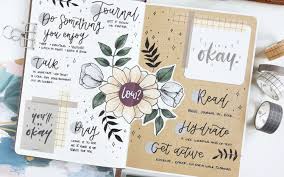
Journal prompts for career change help you understand your current situation, explore new possibilities, and plan your transition. They guide you to reflect on your values, skills, and passions to make an informed and fulfilling career shift.
Understanding Your Current Career Feelings
It’s okay to feel a mix of things about your current job. Maybe you feel bored, unfulfilled, or stressed. Sometimes, it’s just a gut feeling that something needs to change. Understanding these feelings is the first step. Journaling helps you put these emotions into words. It’s like talking to yourself, but on paper. This helps you see patterns you might miss otherwise.
Why do you feel this way now? Is it a recent feeling or something that has grown over time? Thinking about the “when” and “why” is important. It helps you pinpoint what is not working. Sometimes, a small change can fix a problem. Other times, it signals a need for a bigger shift. Your journal is a safe space to explore all these thoughts.
What specific tasks or situations drain your energy? What parts of your day feel like a chore? Be honest with yourself. There’s no judgment here. Writing down these details can be very eye-opening. You might notice that certain projects or interactions are the main culprits. This information is gold for understanding your needs.
What parts of your current job, if any, do you still enjoy? It’s rare for a job to be all bad. Finding the good, even small bits, can offer clues. Maybe you like helping people, solving puzzles, or organizing things. These enjoyable elements can point toward a new direction. Your journal can highlight these strengths.
Exploring Your Passions and Interests
What do you love to do outside of work? What hobbies or activities make you lose track of time? These are often clues to your true passions. Think about what you read about, watch, or talk about most. These interests can guide you toward a more fulfilling career. Many people find success by turning a hobby into a job.
When you imagine your ideal day, what are you doing? Forget about money or practicality for a moment. What activities would fill your hours? What kind of environment would you be in? What kind of problems would you be solving? This is about your deepest desires. Writing them down makes them feel more real.
What topics always spark your curiosity? What do you find yourself wanting to learn more about? This curiosity is a powerful guide. It suggests areas where you have natural drive. Researching these topics might reveal surprising career paths. Your journal can be your research notebook.
What kind of impact do you want to make on the world? Do you want to help people, create beauty, solve problems, or teach others? Thinking about your desired impact gives your career a purpose. A career aligned with your values feels more meaningful. Your journal can help you define your purpose.
Identifying Your Skills and Strengths
What are you good at? Think broadly. This includes job skills, but also soft skills like communication, problem-solving, and leadership. What do friends and family often ask for your help with? What do people compliment you on? These are often your natural strengths.
What accomplishments are you most proud of? What did you do to achieve them? Breaking down your successes can reveal the skills you used. Even small wins count. Think about challenges you overcame. How did you do it? These stories highlight your abilities.
What skills do you want to develop? A career change isn’t just about leaving; it’s about moving toward something new. What skills would be useful in a field that interests you? Identifying these can help you plan your learning. Your journal can track your skill-building journey.
How can your current skills be applied in a new field? Many skills are transferable. Good communication is valuable everywhere. Problem-solving is needed in all industries. Think about how your experience translates. This can make a career shift seem less daunting. Your journal can list these transferable skills.
Skill Spotlight: Transferability
Don’t Underestimate Your Skills: Many skills you use daily are highly transferable. Think about things like:
- Communication: Talking to clients, writing emails, giving presentations.
- Problem-Solving: Figuring out why something isn’t working, finding solutions.
- Organization: Managing your time, keeping track of tasks, planning projects.
- Teamwork: Working with others to reach a goal.
Write down how you’ve used these skills. This helps you see your value.
Considering Your Values and Work Environment
What is most important to you in a job? Is it job security, creativity, flexibility, or making a lot of money? Understanding your core values is crucial. A job that clashes with your values will never feel right. Your journal can help you rank these values.
What kind of work environment suits you best? Do you prefer a busy, collaborative office? Or do you thrive working alone? Do you like clear instructions or more freedom to explore? Think about the best work settings you’ve experienced. What made them good for you?
How important is work-life balance to you? Do you need strict boundaries between work and personal life? Or are you comfortable with some overlap? Be honest about your needs. A career change can improve your balance if you choose wisely. Your journal can help define your ideal balance.
What level of stress is acceptable for you? All jobs have some stress. But some are much more demanding than others. What is your personal limit? Choosing a career that matches your stress tolerance is important for long-term well-being. Think about past stressful jobs. What made them stressful?
Visualizing Your Ideal Future Career
Imagine you’ve made a successful career change. What does your life look like? What are you doing each day? Who are you interacting with? What are you learning? Paint a detailed picture in your journal. This vision can be a powerful motivator.
What would a typical workday look like in your new career? Try to describe it step-by-step. What are the main tasks? What are the challenges? What are the rewards? This helps you see if the reality matches your dream.
How does this new career fit with your personal life goals? Does it allow you to spend more time with family? Does it offer more travel opportunities? Does it support your financial needs? A career change should enhance your life, not detract from it. Your journal can explore these connections.
What feelings do you associate with this ideal future? Do you feel excited, calm, proud, or fulfilled? Focusing on these positive emotions can boost your confidence. It makes the future feel achievable. Write down how you want to feel in your new role.
Future Vision: Daily Snapshot
Picture Your Ideal Day:
- Morning: What’s the first thing you do? (e.g., “Enjoy a quiet coffee before starting.”)
- Work Tasks: What are your main activities? (e.g., “Collaborating on new designs.”)
- Interactions: Who do you talk to? (e.g., “Brainstorming with my team.”)
- Learning: What new things do you learn? (e.g., “Attending a workshop on AI tools.”)
- End of Day: How do you feel? (e.g., “Satisfied and looking forward to tomorrow.”)
Identifying Potential Career Paths
Based on your interests, skills, and values, what careers come to mind? Don’t censor yourself at this stage. Write down anything that sparks your interest, even if it seems far-fetched. This is a brainstorming phase. Your journal is a place for big ideas.
For each potential career, what are the basic requirements? What kind of education or training is needed? What are the typical entry-level roles? What is the job market like? A little research can help you gauge feasibility.
What are the pros and cons of each potential career path? Be realistic. No job is perfect. Listing the good and bad points for each option helps you compare them fairly. What excites you about each one? What concerns you?
How does each path align with your long-term goals? Think about where you want to be in 5, 10, or 15 years. Does this career offer growth opportunities? Does it provide the lifestyle you desire? Your journal can track these long-term fits.
Career Path Exploration: Quick Scan
| Potential Career | Key Skills Needed | Training Required? | Initial Thoughts |
|---|---|---|---|
| Data Analyst | Math, statistics, software skills | Yes, often degree or bootcamp | Interesting, but might need lots of study. |
| Project Manager | Organization, leadership, communication | Maybe certification, often experience | Seems like a good fit for my planning skills. |
| Content Writer | Writing, research, SEO basics | Less formal, portfolio is key | I enjoy writing; this could be fun. |
Overcoming Doubts and Fears
What are your biggest fears about changing careers? Are you worried about financial instability, starting over, or failing? Acknowledging these fears is important. They are normal parts of the process. Your journal is a safe place to confront them.
What evidence do you have that your fears might not come true? Can you think of examples of others who successfully changed careers? What steps did they take? This can provide reassurance. Look for positive stories.
What are the potential downsides of not changing careers? Sometimes, focusing on the cost of staying put can be motivating. Will you regret not trying? Will your current dissatisfaction continue to grow? Weigh the risks of action against the risks of inaction.
What small, manageable steps can you take to reduce your fears? Maybe it’s talking to someone in a new field. Or taking an introductory online course. Breaking down the big change into smaller steps can make it feel less overwhelming. These small wins build confidence.
Creating a Transition Plan
Once you have a clearer idea of your desired path, how will you get there? What are the immediate next steps? This could be updating your resume, networking, or researching specific companies. Make a list of actionable items.
What skills do you need to acquire or improve? Identify any gaps. How will you gain these skills? Consider online courses, workshops, volunteer work, or even further education. Your journal can track your learning goals.
Who can support you in your career transition? Think about mentors, friends, family, or career coaches. Having a support system can make a huge difference. Who can you talk to about your plans? Who can offer advice or encouragement?
What is your timeline for this transition? Set realistic goals. This doesn’t mean rushing. It means having a roadmap. When do you want to start applying for jobs? When do you hope to begin your new role? Your journal can help you map out this timeline.
Actionable Steps: Your Transition Checklist
- Update Resume: Highlight transferable skills.
- Network: Reach out to people in your target field.
- Research: Learn about companies and roles.
- Skill Building: Enroll in a relevant course or workshop.
- Financial Plan: Understand your budget during the transition.
Check off items as you complete them!
Reflecting on the Journey
As you work through these prompts, remember that this is a process. It’s okay to revisit questions and change your mind. The goal is not to find the perfect answer immediately. It’s to gain clarity and move forward with confidence.
What have you learned about yourself through this journaling process? What surprised you the most? What insights will you carry with you? Celebrate your progress. This self-awareness is invaluable.
How will you continue to use journaling to support your career goals? It’s a tool that can be used beyond the initial change. You can use it to navigate challenges in your new role or plan future growth. Make it a habit.
What message would you give to someone who is just starting this career change journey? Offer yourself some encouragement. You are capable and deserving of a career that makes you happy. Trust the process and trust yourself.
My Own Career Change Story: A Moment of Clarity
I remember sitting at my old desk. The fluorescent lights buzzed overhead. I was supposed to be focused on a report, but my mind was miles away. I felt a deep sense of disconnect. My work felt meaningless, like I was just going through the motions. I’d been feeling this way for months, maybe even years. It was a dull ache of dissatisfaction that had become my norm.
One evening, feeling particularly restless, I grabbed a notebook. I didn’t have any specific prompts, just a strong urge to write. I started by describing the feeling: “It feels like wearing shoes that are too tight. Everywhere I go, there’s a constant pinch.” That simple description felt like a breakthrough. It wasn’t just a vague unhappiness; it was a physical discomfort with my professional life.
I continued writing, asking myself why. Why did I feel this way? What was missing? I realized I craved creativity and connection, things that were severely lacking in my highly structured, numbers-driven job. I wrote about a childhood dream of working with books, something I’d dismissed as impractical. As I wrote, this forgotten passion felt surprisingly alive. The act of putting words to my feelings and aspirations made them tangible. It was a quiet, personal revelation, but it was the first real step towards a new direction. That notebook became my compass.
Common Questions About Career Change Journaling
How often should I journal for career change?
Aim for consistency. Try to journal at least a few times a week. Even 15-20 minutes can be very effective.
Some people find daily journaling helpful. The key is to find a rhythm that works for you.
What if I don’t know where to start with career change?
That’s perfectly normal! The journal prompts are designed to help you figure that out. Start with prompts about your current feelings or what you enjoy.
Don’t pressure yourself to have all the answers right away. The exploration itself is the starting point.
Can journaling really help me find a new career?
Yes, journaling is a powerful tool for self-discovery. It helps you process complex thoughts and emotions. It can reveal hidden desires, skills, and values.
Many people find that consistent journaling clarifies their path and builds confidence for the transition.
What if my journal entries are negative or full of complaints?
That’s okay! It’s important to acknowledge those feelings. Your journal is a safe space.
Once you’ve expressed the negative feelings, you can then explore the “why” behind them. This can lead to understanding what you truly need and want in a new role.
How do I make sure my career change is practical and not just a dream?
Journaling helps you explore dreams, but then you need to pair it with research. Once you have ideas, use your journal to list practical steps. Research training needs, job markets, and financial implications.
Your journal can help you plan the bridge from dream to reality.
What’s the difference between journaling for career change and just writing?
Journaling for career change is focused. It uses specific questions or prompts to guide your thinking toward professional goals. While general journaling can be beneficial, career-focused journaling aims to uncover insights directly related to your work life and future aspirations.
Finding Your Next Steps
This journey of career change is deeply personal. Your journal is your trusted companion. It helps you look inward and outward. By exploring your feelings, passions, skills, and values, you gain clarity. This clarity is essential for making confident decisions.
Remember that change takes time. Be patient and kind to yourself. Use these prompts as a guide, not a rigid rulebook. The insights you gain will pave the way for a more fulfilling professional future. Trust your reflections and take those brave next steps.