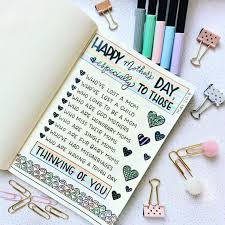
Journaling can be a powerful tool for improving mental health. Simple writing prompts can guide your thoughts, help you understand your feelings better, and offer a sense of peace and clarity. It’s a personal journey, and these prompts are designed to make it easier.
Understanding How Journaling Helps Your Mind
Journaling is like talking to yourself, but in a structured way. It lets you sort out what’s going on inside. When you write things down, they can seem less scary or confusing. It’s a way to notice patterns in your thoughts. You can see what makes you happy and what makes you sad.
Writing can calm your nervous system. This is because it engages a different part of your brain. It helps slow down racing thoughts. It’s also a safe space. No one else has to read it. You can be totally honest. This honesty builds trust with yourself.
My Own Journaling Journey: A Late Night Revelation
I remember one particularly tough evening. The day had been long and full of unexpected problems at work. My brain felt like a tangled mess of to-do lists and worries. I was tossing and turning, unable to switch off. Sleep felt miles away. I felt a knot of anxiety tightening in my chest.
I’d heard about journaling, of course. But I always thought it was for artists or poets. I wasn’t either of those. Still, in my frustration, I grabbed a notebook and a pen. I just started writing whatever came to mind. “I’m so tired. This day was awful. What if X goes wrong tomorrow?” It wasn’t pretty prose. But as I wrote, I felt a tiny bit of the tension leave me. It was like uncorking a bottle that was about to burst.
Journaling Styles to Try
Free Writing: Just write whatever comes to mind without stopping. Don’t worry about grammar or sense.
Prompt-Based: Use specific questions or ideas to guide your writing. This is what we’re focusing on today!
Gratitude Journaling: Focus on things you are thankful for each day.
Art Journaling: Combine writing with drawing, painting, or collage.
Getting Started: Simple Prompts for Every Mood
You don’t need to be a writer to journal. You just need a pen and paper, or a simple app. The key is to start small. Don’t try to write a novel. Just a few sentences can be enough. Here are some prompts to get you going. They cover different feelings and situations.
Prompts for When You Feel Anxious or Stressed
Anxiety can feel like a constant buzz. It can make it hard to focus. Writing can help quiet that buzz.
What am I feeling right now, in my body? (e.g., tight chest, racing heart)
What specific thoughts are making me anxious?
If this feeling could speak, what would it say to me?
What is one small thing I can do right now to feel a little calmer?
What is a worry that I can let go of for today?
What is something good that happened today, no matter how small?
Quick Scan: Anxiety Relief Tips
- Deep Breathing: Focus on slow, deep breaths.
- Mindful Moment: Notice five things you can see, hear, touch, smell, and taste.
- Gentle Movement: Stretch or take a short walk.
- Hydration: Drink a glass of water.
- Comfort: Wrap yourself in a warm blanket.
Prompts for When You Feel Sad or Down
When you’re feeling low, it can be hard to see the light. Journaling can help you explore these feelings gently.
What is making me feel sad today?
What do I need right now? (Be specific, like “a quiet moment” or “a hug”)
What is one memory that makes me feel happy?
If I could give my sad self a message, what would it be?
What is something I am proud of myself for?
What is one thing I can do to be kind to myself today?
Prompts for When You Want to Feel More Grateful
Gratitude shifts your focus to the good things. It can boost your mood over time.
What are three things that happened today that I am thankful for?
Who is someone I appreciate, and why?
What is a simple pleasure that I enjoyed recently?
What is something beautiful I saw or experienced today?
What is a skill I have that I am grateful for?
What is something about my home or surroundings that brings me comfort?
Contrast: Normal Sadness vs. Concerning Sadness
| Normal Sadness | Concerning Sadness |
|---|---|
| Comes and goes with specific events. | Lasts for weeks or months. |
| Can still experience moments of joy. | Persistent feeling of emptiness or lack of interest. |
| Can function day-to-day, though with less energy. | Difficulty with daily tasks like hygiene, work, or social interaction. |
| Can identify reasons for sadness. | Sadness feels unexplainable or overwhelming. |
Note: If sadness interferes with your life for more than two weeks, please talk to a doctor or mental health professional.
Prompts for Self-Discovery and Understanding
These prompts help you look inward and learn more about yourself.
What are my core values? (e.g., kindness, honesty, creativity)
What makes me feel truly alive and energized?
What is something I learned recently that surprised me?
What are my strengths? How do I use them?
What is a fear I have, and how does it affect my choices?
What is a dream I have for my future?
Prompts for Processing Difficult Emotions
Sometimes, strong emotions need extra attention. These prompts help you navigate them.
Describe a time you felt really angry. What happened? How did you handle it?
What does disappointment feel like in your body?
When have you felt misunderstood? What did you wish people understood?
What is one thing you wish you could change about the past? (Focus on learning, not regret.)
How do I cope with stress? Are my coping methods healthy?
What does forgiveness mean to me, for myself or others?
Observational Flow: A Day with Journaling
Morning: Quick gratitude entry. What am I thankful for today?
Midday: Check-in. How am I feeling? Any anxious thoughts?
Write down one worry and one positive thought.
Evening: Reflection. What went well today? What was challenging?
What did I learn?
Before Bed: One sentence about what I’m looking forward to tomorrow.
Real-World Scenarios: Putting Prompts into Practice
Let’s look at how these prompts might play out in real life. Imagine a busy parent feeling drained. Or a student stressed about exams.
The Overwhelmed Parent
Sarah is a mom of two young kids. She feels like she’s constantly juggling. One evening, after the kids are in bed, she feels exhausted and a bit resentful. She picks up her journal.
She uses a prompt: “What specific thoughts are making me feel resentful?”
She writes: “I feel like I do everything. My partner comes home and relaxes, while I’m still cleaning and prepping lunches. I never get a break. I feel unappreciated.”
Then she uses another prompt: “What do I need right now?”
She writes: “I need 15 minutes of quiet. I need to feel seen. I need help with the evening routine.”
This writing helps her clarify her feelings. Instead of just feeling vague resentment, she can identify specific needs. She can then decide to talk to her partner about sharing the evening chores. It’s not a magic fix, but it’s a start to addressing the problem.
The Stressed Student
Mark is in his final year of college. Exams are looming, and he’s worried about failing. He’s been having trouble sleeping and feels a knot in his stomach.
He uses a prompt: “What am I feeling right now, in my body?”
He writes: “My shoulders are tight. My jaw is clenched. My stomach feels like it’s full of butterflies, but not the good kind.”
Then he uses: “What specific thoughts are making me anxious?”
He writes: “I’m going to fail this exam. I won’t graduate. I’ll let everyone down. I’m not smart enough.”
He then tries a prompt that helps shift his perspective: “What is one small thing I can do right now to feel a little calmer?”
He writes: “I can make a cup of tea. I can listen to some quiet music. I can review my notes for just 30 minutes, not try to cram everything.”
This journaling helps Mark acknowledge his physical stress and the specific fears. By identifying small, actionable steps, he reduces the overwhelming feeling and regains a sense of control.
What This Means for You: Recognizing Normal vs. Concerning Feelings
It’s important to know that journaling is not a replacement for professional mental health care. However, it’s a fantastic tool for self-awareness.
When It’s Normal
It’s normal to have bad days. It’s normal to feel sad, angry, or anxious sometimes. These feelings usually pass. They are often linked to specific events. Your journaling might show a temporary dip in mood, followed by a return to your usual self. You might write about a difficult conversation, a setback at work, or a disagreement with a friend.
When to Worry
If your journaling shows a consistent pattern of negative emotions. If you write about feeling hopeless or worthless for weeks. If you lose interest in things you used to enjoy. If your thoughts are persistently dark and you can’t find any good. If you have thoughts of harming yourself. These are signs that you need to reach out for professional help.
Simple Checks
Look at your journal entries over time. Do you see patterns? Are there recurring themes of worry or sadness? Are you able to find moments of joy or peace in between the difficult entries? If most of your entries are consistently negative and overwhelming, it might be time to talk to a counselor or doctor.
Myth vs. Reality: Journaling for Mental Health
| Myth | Reality |
|---|---|
| You need to be a good writer. | Anyone can journal. It’s about your thoughts, not perfect grammar. |
| Journaling is only for sad people. | It’s for everyone! It helps with happiness, stress, and self-discovery too. |
| It takes a lot of time. | Even 5 minutes a day can make a difference. |
| You must write every single day. | Consistency is good, but it’s okay to miss days. Do what works for you. |
Quick Tips for Making Journaling Work for You
Making journaling a habit can seem hard at first. Here are some simple ways to make it easier.
Keep it simple: Don’t overthink it. Just start writing.
Find your space: Pick a quiet spot where you feel comfortable.
Set a timer: Even 5 or 10 minutes can be enough.
Don’t edit yourself: Your journal is for your eyes only. Let it flow.
Use prompts that resonate: If a prompt doesn’t feel right, skip it and find another.
Be patient: It takes time to see the benefits. Stick with it.
Date your entries: This helps you track your progress over time.
Frequently Asked Questions About Journaling Prompts
How often should I journal?
There’s no strict rule. Many find daily journaling helpful, even if it’s just for a few minutes. However, some people prefer journaling a few times a week.
The most important thing is finding a rhythm that works for you and your schedule. Consistency over intensity is key.
What if I don’t know what to write?
That’s perfectly normal! This is where prompts come in handy. Start with a prompt that catches your eye.
If you’re still stuck, try free writing for a few minutes. Just write whatever comes to mind, like describing your surroundings or what you had for lunch. Don’t worry about making it perfect.
Is it okay to write negative thoughts in my journal?
Absolutely! Your journal is a safe space to express all your feelings, positive and negative. Writing down difficult emotions can help you process them and understand them better.
It’s part of the healing and self-discovery process. Just remember to also acknowledge any positive experiences or thoughts you have.
Do I need a special notebook?
Not at all. Any notebook, a simple spiral-bound one, or even loose-leaf paper will work. Some people prefer digital journaling using apps or computer documents.
The tool itself is less important than the act of writing and reflection. Use whatever you have readily available.
What’s the difference between journaling for mental health and just writing in a diary?
While both involve writing about your experiences, journaling for mental health often uses prompts and focuses on self-reflection, emotional processing, and growth. A diary might be more of a chronological record of events. Journaling often has a more intentional therapeutic goal.
Can journaling really help with anxiety?
Yes, many people find journaling very helpful for managing anxiety. Writing about anxious thoughts can help you identify triggers and patterns. It can also provide a release for pent-up worry.
The act of writing itself can be calming. Prompts focused on anxiety can guide you to understand and cope with it better.
Finding Your Calm Through Writing
Journaling offers a quiet space in a noisy world. It’s a personal tool for understanding yourself better. By using simple prompts, you can begin to explore your thoughts and feelings. This can lead to less stress and more peace. Remember, this is your journey. Be kind to yourself as you write.