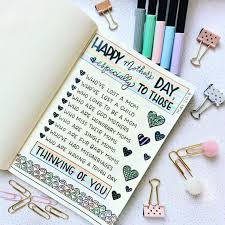
Journaling is a personal practice of writing down your thoughts, feelings, and experiences. It helps you understand yourself better. It can reduce stress and boost creativity.
This guide shows you how to start journaling with simple steps and helpful ideas.
What is Journaling and Why Do It?
Journaling is simply writing things down. It can be anything you want. It’s a private space for your mind.
You don’t need to be a good writer. There are no rules about what to write. It is just for you.
People journal for many reasons. It helps them think. It helps them remember.
It helps them feel better.
Think of it like talking to yourself on paper. But you can take your time. You can be honest.
You can explore ideas. You can track your progress. You can just vent your feelings.
It is a tool for self-discovery. It can also be a tool for growth. Many find it helps clear their mind.
It can be a calm moment in a busy day. This simple act can have big benefits. It’s about making time for your inner world.
My First Journaling Adventure
I remember my first journal. It was a plain notebook I bought at a drugstore. I felt a bit silly.
What was I supposed to write? I thought about all the fancy journals I’d seen. They had locks and cool covers.
Mine was just… paper. I sat at my kitchen table one Tuesday evening. A cup of tea was getting cold next to me.
I felt this pressure to write something profound. Something life-changing. My mind was a blank.
I wrote, “Dear Journal,” and then nothing. For about ten minutes. I felt a little panicked.
Was this a waste of time?
Then, I just started typing out my day. It was not exciting. “Work was busy.
Met with Bob. Ate a sandwich.” It felt so boring. But as I kept writing, something shifted.
I started noticing details. “Bob seemed tired today.” “The sandwich had too much mustard.” I realized journaling wasn’t about making perfect stories. It was about observing my life.
It was about noticing the small things. That night, I wrote about how I felt about Bob seeming tired. I wondered if he was okay.
That led me to think about how I was feeling. I was feeling a bit stressed about a project. Writing it down made it feel less overwhelming.
It was like putting the stress ball down for a moment. That simple, uninspired entry was the start. It showed me that consistency beat perfection.
Why People Start Journaling
Self-Reflection: Understanding your thoughts and actions.
Stress Relief: Getting worries out of your head.
Creativity Boost: Generating new ideas.
Goal Tracking: Monitoring progress and staying motivated.
Memory Keeping: Recording special moments.
Emotional Outlet: Processing feelings safely.
Choosing Your First Journal
The “perfect” journal doesn’t exist. What works for one person might not work for another. Don’t stress too much about this part.
Just pick something you like. A simple notebook is great. A fancy bound book is also fine.
Some people like lined paper. Others prefer blank pages. Some like a small pocket size.
Others want a big desk journal. Think about how you’ll use it. Will you carry it around?
Or will it stay on your nightstand?
Consider the cover. Does it feel nice? Does it inspire you?
The inside matters too. How does the paper feel? Is it too thin?
Will ink bleed through? If you’re unsure, start with something basic. You can always switch later.
The most important thing is that you feel comfortable using it. It should feel inviting. Not intimidating.
You can even start digitally if that’s easier for you. Many apps allow for private digital journaling.
Getting Started: Your First Entry
Okay, you have your journal. Now what? The blank page can be scary.
Remember, there’s no right or wrong way. Just start. Here are a few simple ways to begin your very first entry:
- Date it: Always put the date. This helps you track time.
- Write the time: Sometimes the time of day matters.
- Just start typing/writing: Don’t think too much. Let words flow.
- Use a prompt: If you’re stuck, use a question to guide you.
- Describe your surroundings: What do you see, hear, smell?
- Write about your mood: How are you feeling right now?
Try not to judge yourself. Your first entries might be short. They might be messy.
That’s okay. The goal is to start. To make the habit.
It’s like learning to ride a bike. You might wobble at first. You might fall.
But you get back up. And you keep pedaling. Each entry is a step.
A step towards understanding yourself better.
Quick Start Prompts
What is one thing you are grateful for today?
How are you feeling right now, physically and emotionally?
What is one small goal you have for today?
Describe something beautiful you saw today.
What is on your mind as you start writing?
When and Where to Journal
Consistency is key to making journaling a habit. But life is busy. So, when is the best time?
And where should you do it? The honest answer is: whenever and wherever works for YOU. There’s no magic formula.
Some people love to journal first thing in the morning. They write while the house is quiet. It helps them set intentions for the day.
Others prefer to journal at night. It’s a way to wind down. To process the day before sleep.
Some people do it during their lunch break. Or a few minutes before bed. Even five minutes can make a difference.
The important thing is to find a time you can commit to. Even if it’s just three times a week.
As for where, find a comfortable spot. It could be your favorite chair. Your desk.
Your bed. A park bench. It needs to be a place where you feel safe.
And where you can concentrate. It should be a place you look forward to visiting. A place that signals “journal time.” Some people have a dedicated “journaling nook.” Others just use whatever space is available.
The environment matters less than the action. Making the time and space for yourself is what counts.
Different Types of Journaling
Journaling isn’t just one thing. It can take many forms. Finding a style that fits you makes it more enjoyable.
Here are some popular methods:
Journaling Styles Explained
Free Writing: Writing continuously for a set time. Don’t stop or edit. Just let thoughts flow.
Gratitude Journaling: Focusing on things you are thankful for. List them daily.
Bullet Journaling (BuJo): A highly customizable system. Uses symbols and short notes for tasks, events, and ideas.
Dream Journal: Recording your dreams upon waking. Helps recall details and patterns.
Travel Journal: Documenting trips. Notes, sketches, tickets, and memories.
Art Journal: Combining writing with drawing, painting, or collage.
Stream of Consciousness: Similar to free writing. Capturing thoughts as they appear.
Prompt-Based Journaling: Using questions or prompts to guide your writing.
You don’t have to pick just one. You can mix and match. One day you might write freely.
The next day, you might list things you’re grateful for. Or you might try a specific prompt. Experiment to see what feels best.
What helps you explore your thoughts. What brings you joy. What helps you solve problems.
The flexibility is part of the appeal. It’s your journal, your rules.
Common Journaling Prompts for Beginners
Sometimes, a little nudge is all you need. Prompts are like gentle suggestions. They help kickstart your writing.
They can also help you explore new topics. Here are some ideas to get you started. Think of these as starting points.
You can adapt them. Or let them lead you somewhere else entirely.
Daily Reflection Prompts
- What was the best part of your day?
- What was the hardest part of your day?
- What did you learn today?
- How did you show kindness today?
- What made you smile today?
Self-Discovery Prompts
- If you could change one thing about your life, what would it be?
- What are your biggest fears?
- What are your greatest strengths?
- What makes you feel truly alive?
- What are your dreams for the future?
Emotional Processing Prompts
- How are you feeling right now, and why?
- What is causing you stress, and how can you cope?
- When did you last feel truly happy, and what were you doing?
- What emotions are hard for you to express?
- What does it mean to be resilient?
Don’t feel pressured to answer every prompt. Pick one that speaks to you. Or use it to spark your own thoughts.
The goal is to engage with your inner world. To ask questions. To seek answers.
Even if the answers are just more questions.
Making Journaling a Lasting Habit
Starting is one thing. Keeping it up is another. Building a habit takes time and effort.
But it’s totally achievable. Here’s how to make journaling stick:
1. Keep it Simple
Don’t aim for an hour-long entry every day. Five minutes is better than zero minutes. Write a few sentences.
A bullet point. A quick sketch. Small wins build momentum.
2. Be Flexible
Miss a day? Or two? Or three?
It’s okay. Don’t let it derail you. Just pick up where you left off.
Or start fresh. Life happens. Your journaling practice can adapt.
3. Connect it to Existing Habits
Link journaling to something you already do. For example: “After I brush my teeth at night, I will journal.” Or “While my coffee brews, I will write one sentence.” This is called habit stacking.
4. Make it Enjoyable
Use a pen you love. Write in a notebook that feels good. Listen to calm music.
Light a candle. Create a pleasant experience around journaling.
5. Review Your Entries (Sometimes)
Looking back can be motivating. You’ll see how far you’ve come. You might notice patterns.
You might find old ideas. But don’t do this too often. It can feel like homework.
Maybe once a month or every few months.
6. Don’t Aim for Perfection
Your journal is not an essay. It doesn’t need perfect grammar or spelling. It’s a safe space.
Be messy. Be real. That’s where the magic happens.
Building a habit is a journey. There will be ups and downs. Celebrate your successes.
Learn from the misses. Be kind to yourself. Your journal is a friend.
Treat it that way.
Habit Building Checklist
- Tiny Goal: Start with 5 minutes.
- Time Slot: Pick a specific time.
- Location: Choose a comfortable spot.
- Trigger: Link to an existing habit.
- Reward: Make it a pleasant experience.
- Forgiveness: Don’t beat yourself up for missed days.
What to Do If You Get Stuck
Even seasoned journalers get stuck. The dreaded writer’s block can strike anyone. When this happens, don’t force it.
Take a break. Or try a different approach. Here are some ideas:
- Try a different prompt: If one type isn’t working, switch.
- Do a “brain dump”: Write down anything and everything that comes to mind. No order. No sense. Just get it out.
- Draw or doodle: If words are hard, express yourself visually.
- Write a letter: To yourself, a friend, an imaginary person, or even an object.
- Describe an object: Pick something nearby. Describe its color, texture, shape, and purpose in detail.
- Write about a memory: A happy one, a sad one, a funny one.
- Use a quote: Find a quote that resonates with you and write about why.
- Read what you’ve already written: Sometimes looking back sparks new ideas.
Remember, the goal isn’t to produce masterpieces. It’s to engage. To explore.
To connect with yourself. If you’re stuck, it often means your mind needs a different pathway. Be patient.
Be curious. The words will come back.
Journaling and Your Well-being
The benefits of journaling extend far beyond just writing. It’s a powerful tool for mental and emotional well-being. Many studies show its positive effects.
It can help you manage anxiety. It can reduce symptoms of depression. By writing down your worries, you externalize them.
This can make them feel less powerful.
Journaling also helps you identify negative thought patterns. You can see them on paper. Then you can challenge them.
You can learn to reframe them. This process builds emotional resilience. It helps you cope with life’s challenges.
It’s like having a built-in therapist. One that’s available anytime. It also boosts self-awareness.
You start to understand your triggers. Your motivations. Your values.
This knowledge is empowering. It helps you make better choices. Choices that align with who you want to be.
In homes across America, people are discovering this. They find that a few minutes of writing can shift their whole day. It can turn a bad mood around.
It can help them appreciate the good moments more deeply. It’s a simple practice with profound results for your overall well-being.
Journaling for Mental Health
Reduces Stress: Expressing worries can lighten the mental load.
Boosts Mood: Focusing on the positive or processing negatives can improve outlook.
Increases Self-Awareness: Understanding your thoughts, feelings, and behaviors.
Improves Problem-Solving: Clarity from writing helps find solutions.
Enhances Emotional Regulation: Learning to manage and express emotions.
Privacy and Security in Your Journal
Your journal is a deeply personal space. Privacy is really important. You want to feel safe to write honestly.
You might worry about others reading your thoughts. Here are some ways to protect your privacy:
- Keep it private: Store your journal somewhere safe. Away from prying eyes.
- Use a password: If you journal digitally, use a strong password. And enable two-factor authentication.
- Be mindful of where you write: Choose private spaces. Avoid writing in public places where someone might peek.
- Write in code (if necessary): For very sensitive topics, you might use codes or symbols. But this can make reading difficult later.
- Shred or delete old entries: If you’re done with certain thoughts, securely dispose of them.
Most people find that the act of writing itself is enough. They don’t need to overthink security. But if privacy is a major concern for you, take these steps.
Your comfort and safety are paramount. Knowing your journal is secure allows you to be more open and honest. And that’s where the true benefits lie.
When to Seek Professional Help
Journaling is a wonderful self-help tool. It can help you process many things. However, it’s not a replacement for professional mental health care.
If you are experiencing severe distress, persistent sadness, or thoughts of harming yourself or others, please seek help.
You can talk to a doctor, a therapist, or a counselor. There are also crisis hotlines available. For example, in the U.S., you can call or text 988 to reach the Suicide & Crisis Lifeline.
Your journal can be a place to explore these feelings. But it’s crucial to reach out to trained professionals for support and treatment.
Trusted institutions like the National Institute of Mental Health (NIMH) offer resources. They can guide you on understanding mental health conditions and finding help. Your well-being is the top priority.
Journaling can be part of your support system. But it should not be the only part.
Conclusion: Your Journaling Journey Awaits
Starting a journal is an invitation. An invitation to explore your inner world. It’s a simple act that can bring clarity.
It can offer comfort. It can spark creativity. Don’t wait for the perfect moment.
Or the perfect journal. Just begin. Today.
Write one sentence. Or fill a whole page. Whatever feels right.
Your journaling journey is yours alone. Make it meaningful. Make it yours.
Frequently Asked Questions About Starting a Journal
How often should I journal?
You can journal as often as you like! Daily is great for building a habit and consistent reflection. However, even journaling a few times a week can be very beneficial.
Find a rhythm that fits your life and makes you feel good.
What if I don’t know what to write about?
It’s common to feel stuck! Try using prompts, writing about your day, describing your feelings, or even just writing “I don’t know what to write” until something else comes to mind. Start small, and don’t worry about perfection.
Can I use my phone or computer to journal?
Absolutely! Many people prefer digital journaling. There are many apps and programs available.
The most important thing is that it’s a private space where you feel comfortable writing. Whether it’s pen and paper or a screen, it’s the act of writing that matters.
What’s the difference between journaling and a diary?
Often, the terms are used interchangeably. Traditionally, a diary might focus more on daily events. A journal can be broader, encompassing thoughts, feelings, ideas, reflections, and even creative exploration.
But for practical purposes, the distinction isn’t critical. It’s your personal record.
Is it okay if my handwriting is messy?
Yes! Your journal is for your eyes. Messy handwriting, crossed-out words, or doodles are all perfectly fine.
The goal is self-expression, not calligraphy. Don’t let concerns about neatness stop you from writing.
Should I ever re-read my old journal entries?
You can, if you want to! Re-reading can offer insights into your growth, patterns, and past feelings. However, it’s not required.
Some people prefer to let their past entries remain as they are. Do what feels right for you.