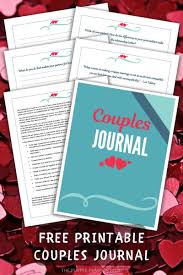
Many couples wish for a stronger connection. They want to understand each other better. Sometimes, it feels hard to know where to start.
You might feel a bit stuck. This is totally normal. We all go through phases in our relationships.
Wanting to bring more spark and closeness into your partnership is a beautiful goal. This guide will help you find ways to connect more deeply. We’ll look at simple questions you can ask each other.
These questions can open up new conversations. They help you share thoughts and feelings. You’ll learn how to build a more intimate bond.
Let’s start this journey together.
Journal prompts for couples are questions or topics designed to be answered individually or together in a journal. They encourage deeper communication, self-reflection, and shared understanding, helping partners connect on a more intimate level and strengthen their relationship.
Understanding the Power of Shared Journals
Think of a journal as a private space. It’s where you can write your thoughts. For couples, this space can be shared.
Or, each person can have their own. Writing together builds a bridge. It connects your inner worlds.
It helps you see things from your partner’s view. This can clear up misunderstandings. It shows you care about their feelings.
It’s a way to show love and respect.
When you share your thoughts on paper, it feels safe. Words are permanent. They can be reread.
This helps you remember important feelings. It’s like creating a memory book of your connection. You can revisit happy times.
You can also work through tough spots. This process takes time. It needs patience and openness.
But the rewards are big. A stronger, happier partnership is the goal. Many couples find this method very helpful.
It helps them grow together.
Writing can also help you understand yourself better. You might discover new feelings. You might see your own needs more clearly.
This is important for any relationship. When you know yourself, you can share that self with your partner. It’s about being honest.
It’s about being real. This honest sharing is the core of deep connection. It’s the foundation for lasting love.
My Own Journey with Couple’s Journaling
I remember a time when my partner and I felt distant. We were busy with work and life. We weren’t talking much, not really talking.
We’d just share facts about our day. There were no deep talks. I felt lonely, even when we were together.
One evening, I found an old notebook. I thought about writing down my feelings. But I wanted to include him.
So, I wrote a question on the first page. “What is one thing you love about our life together right now?”
I left the notebook on his pillow. The next morning, he found it. He looked confused at first.
Then, he picked up a pen. He wrote his answer. It was simple.
He said he loved our quiet mornings. He mentioned the coffee and the sunrise. Reading his words made my heart feel full.
It was a small thing. But it opened a door. He started writing back.
We started sharing little thoughts. It wasn’t always deep. Sometimes it was just funny observations.
But it was communication. It was connection. It made a huge difference.
It showed me the power of simple prompts.
This experience taught me a lot. It showed me that connection doesn’t always need grand gestures. Sometimes, it’s the quiet moments.
It’s the gentle sharing of thoughts. It’s about making time for each other. Even a few minutes of writing can matter.
It helped us feel close again. It reminded us why we fell in love. I’ve used this method many times since.
It’s always worked. It’s a simple tool for a strong relationship.
Getting Started: Your First Prompts
Starting is the hardest part. Don’t overthink it. Pick a simple question.
Write it down. Share it with your partner. Here are some easy ones to begin with.
They are good for any couple. They help you dip your toes in. They are not too intense at first.
Starting Spark: Easy Prompts
Prompt 1: Best Part of Today
What was one small thing that made you smile today? Write it down.
Prompt 2: Simple Appreciation
What is one thing your partner did recently that you appreciated? Be specific.
Prompt 3: A Dream Moment
If you had one free hour right now, what would you do? Who would you do it with?
Prompt 4: Favorite Memory
What is a favorite memory you have of us together? Why does it stand out?
These prompts are meant to be light. They are about building a habit. They help you get comfortable with writing.
They show you that your partner is willing to share too. This shared effort is key. It’s about building trust.
It’s about opening lines of communication. Don’t rush the process. Let it unfold naturally.
Your connection will grow stronger with each entry.
Remember, there’s no right or wrong way to answer. The goal is to express yourself. It’s to share your inner world.
Your partner’s responses might surprise you. They might bring you closer. Or, they might just give you a little insight.
Both are valuable outcomes. Be open to whatever comes up. That’s part of the discovery.
Deeper Dives: Understanding Each Other Better
Once you feel comfortable, you can try deeper questions. These prompts help you explore your partner’s thoughts and feelings more. They look at dreams, fears, and values.
This is where real intimacy is built. It’s about knowing the person you love on a new level. It requires vulnerability from both sides.
Be prepared to share your own true feelings too.
Exploring Inner Worlds
Prompt 1: Core Values
What are three core values that guide your life? How do you see them showing up in our relationship?
Prompt 2: Future Hopes
What is one dream you have for our future together? What steps can we take to get there?
Prompt 3: Personal Growth
What is one area where you want to grow as a person? How can I support you in that?
Prompt 4: Overcoming Challenges
What is a past challenge you faced that made you stronger? What did you learn from it?
These questions are more involved. They ask you to think about yourself. They ask you to think about your partner.
They also ask you to think about your shared future. It’s a big step. But it’s a rewarding one.
When you understand each other’s values, it’s easier to make decisions together. When you support each other’s growth, you both thrive. It’s a partnership that lifts you up.
I found that when I asked my partner about his dreams, he opened up in ways I hadn’t expected. He shared a passion I didn’t know he had. Knowing this allowed me to support him better.
I could encourage him. I could celebrate his small wins. This made our bond so much stronger.
It felt like we were a team again, working towards common goals. It changed how we saw our life together.
Navigating Challenges Together
Relationships aren’t always easy. There will be disagreements. There will be tough times.
Journaling can be a safe space to explore these issues. It allows you to express feelings without interruption. You can process your emotions.
You can think about solutions. This is not about blame. It’s about understanding and finding a way forward.
It’s about strengthening your partnership through difficult moments. The goal is to emerge stronger, not to win an argument.
Working Through Rough Patches
Prompt 1: Feeling Heard
When you feel misunderstood by me, what specific words or actions make you feel that way?
Prompt 2: Needs in Conflict
During a disagreement, what do you need from me to feel supported and connected?
Prompt 3: Learning from Mistakes
If we had a recent conflict, what is one thing you learned about yourself or our dynamic from it?
Prompt 4: Forgiveness and Moving On
What does forgiveness mean to you? What helps you move past hurt?
Using prompts for challenges requires care. It needs a commitment to understanding. It’s not about airing grievances.
It’s about identifying issues. It’s about finding solutions together. You can write your perspective first.
Then, your partner can write theirs. You can compare notes later. This process helps you see where you might be misinterpreting things.
It shows you where your partner’s feelings are coming from. It’s a path to empathy.
I once used a prompt about feeling unappreciated. My partner wrote about how he felt I took his efforts for granted. I hadn’t realized he felt that way.
I thought I was showing my gratitude. But my actions weren’t landing right. Writing about it helped us see the disconnect.
We talked about it later. We made an effort to be clearer with each other. It was a game-changer.
It showed that even tough topics can be handled with care and communication.
It’s important to remember that journaling is a tool. It’s not a magic fix. If you are dealing with serious issues, professional help might be needed.
A therapist can offer guidance. They can help you both communicate more effectively. Journaling can supplement therapy.
It can provide a safe outlet for expression between sessions. Always prioritize your emotional well-being and safety.
Strengthening Intimacy and Connection
Intimacy isn’t just about physical closeness. It’s about emotional connection. It’s about feeling seen, heard, and understood.
Journal prompts can be a powerful way to build this. They invite you to share your deepest thoughts and desires. They create a space for vulnerability.
This vulnerability is the bedrock of true intimacy. It’s about showing your authentic self.
Building Closer Bonds
Prompt 1: Shared Dreams
What is a shared goal you’d love to achieve together in the next year? What small step can we take this week?
Prompt 2: Feeling Loved
What are the ways you feel most loved by me? How can I show you love more often?
Prompt 3: Future Adventures
Describe a dream vacation or adventure you’d like to take together. What makes it appealing?
Prompt 4: Deepest Fears
What is one of your deepest fears about our relationship? How can we support each other through it?
When you share your fears, it shows immense trust. It tells your partner, “I trust you with my vulnerability.” This can create an incredibly strong bond. It allows you both to address insecurities together.
It makes you a united front. It shows that you are committed to each other’s well-being. This is the essence of a secure and loving partnership.
I found that prompts about feeling loved were eye-opening. My partner’s definition of feeling loved was different from mine. He valued acts of service.
I valued words of affirmation. By writing about it, we understood each other better. We could then make an effort to speak each other’s “love language.” This made both of us feel more cherished.
It deepened our connection significantly. It was a simple shift that had a big impact.
It’s also important to talk about fantasies and desires. This can feel a bit scary. But it’s a healthy part of intimacy.
You can start gently. Ask about what makes them feel good. Ask about what they dream about.
This can lead to more open and honest conversations. It helps you explore your desires together. It can add excitement and novelty to your relationship.
Always approach these topics with respect and consent.
Keeping the Spark Alive: Fun and Playful Prompts
Relationships need joy and laughter too. Not everything has to be serious. Fun prompts can inject playfulness.
They can bring back the lightheartedness. They remind you why you fell in love in the first place. These prompts are about imagination and silliness.
They help you connect through shared amusement. They are about enjoying each other’s company.
Adding Fun to Your Journal
Prompt 1: Silly Superpowers
If you could have any silly superpower, what would it be and why? How would you use it on me?
Prompt 2: Dream Date Night
Describe your ultimate, fantastical date night. No budget or reality constraints!
Prompt 3: First Impression Flashback
What was your very first impression of me? What made you laugh about it now?
Prompt 4: Perfect Day Off
If we had a completely free day with no responsibilities, what fun activities would we do?
These types of prompts can lead to hilarious entries. They might spark inside jokes. They might inspire you to plan a fun outing.
It’s about nurturing the playful side of your relationship. This can be just as important as the serious talks. It keeps things fresh and exciting.
It reminds you that you are partners in fun.
My partner once wrote about a silly superpower. He said he’d want to be able to teleport snacks to him. He imagined teleporting a cookie right into his mouth.
I laughed so hard when I read it. It was such a simple, funny image. It broke the tension we sometimes felt.
It reminded me of his playful spirit. We still joke about his snack-teleporting ability. It’s a small inside joke that makes us smile.
Don’t be afraid to be goofy. Let your personalities shine through. The more you can be yourselves, the stronger your bond will be.
Playfulness also helps in tough times. It can lighten the mood. It can remind you that you are a team.
You can face anything together, with a smile.
Practical Tips for Successful Couple’s Journaling
To make couple’s journaling work, a few things help. It’s not just about the prompts. It’s about the process.
Consistency is key. But don’t aim for perfection. Aim for progress.
Life gets busy. Some days or weeks might be missed. That’s okay.
Just pick it up again. The important thing is the intention to connect.
Making Journaling Work
- Choose a Journal: Pick a notebook you both like. It could be one shared journal, or two separate ones.
- Set a Time: Find a consistent time to write. Maybe before bed, or on a Sunday morning. Even 10 minutes helps.
- No Judgment Zone: Agree to read each other’s entries without judgment or criticism. This is a safe space.
- Be Honest: Share your true feelings and thoughts. This is what builds trust.
- Talk About It (Optional): Sometimes, you might want to discuss an entry. Other times, you might just leave it. Your choice.
- Mix It Up: Use a variety of prompts. Don’t stick to just one type.
- Patience is Key: Real change takes time. Keep at it.
My partner and I found that setting a time was crucial. We decided on Sunday evenings. It was a quiet time after our weekend activities wound down.
We’d each grab our journals. We’d write for about 15 minutes. Then, we might chat about one thing that came up.
Or, we might just let it be. This routine helped us stay on track. It became a part of our week.
Another tip is to not compare your writing. Your partner’s style might be different from yours. They might write short answers.
You might write long ones. Both are fine. The goal is to share.
It’s about understanding. It’s not about who is the better writer. Focus on the connection that happens through the words.
That’s the real prize.
It’s also good to be flexible. If a prompt feels too heavy one week, switch to something lighter. If you’re both feeling stressed, maybe write about what brings you comfort.
The journal should be a source of support, not more stress. Adapt it to your needs as a couple. That’s how it remains a valuable tool.
When to Seek Professional Help
While journaling is powerful, it’s not a substitute for professional help when needed. If you are experiencing serious relationship issues, such as ongoing conflict, abuse, or severe emotional distress, please seek guidance from a qualified therapist or counselor. A mental health professional can provide tools and strategies tailored to your specific situation.
They can help you both navigate complex challenges safely and effectively. Couple’s journaling can be a wonderful addition to therapy, providing a structured way to communicate and reflect between sessions. However, it should not replace essential professional support when challenges are significant.
What This Means for Your Relationship
Journaling prompts can transform a relationship. They offer a structured way to foster deeper understanding. They help you communicate more openly.
They can increase intimacy and trust. By regularly engaging with these prompts, you create a dedicated space for connection. You build a shared history of thoughts and feelings.
This shared journey strengthens your bond.
You might notice shifts over time. Conversations might become more meaningful. You might feel more seen and appreciated.
Disagreements might be handled with more empathy. You might discover new things about your partner, even after years together. This continuous discovery is vital for a thriving relationship.
It keeps the connection alive and growing. It’s about nurturing the love you share.
The effort you put into this practice will pay off. It’s an investment in your relationship. It’s a commitment to growing together.
Even small steps make a big difference. This journey of shared writing can lead to a richer, more connected, and more fulfilling partnership. Embrace the process, be open, and enjoy the deepening of your bond.
Frequently Asked Questions
What kind of journal should we use for couple’s journaling?
You can use any journal you both like! Some couples prefer one shared journal where they write back and forth. Others like having two separate journals.
This way, each person has their own private space to write their thoughts before sharing. A simple spiral notebook works great, or you could get a more decorative bound journal if you prefer.
How often should we write in the journal?
Consistency is helpful, but there’s no strict rule. Aim for what feels manageable for both of you. Many couples find success writing a few times a week, perhaps dedicating 10-15 minutes each time.
Others might write once a week, or even just when a particular prompt sparks their interest. The most important thing is to make it a regular habit that fits your lifestyle, rather than a chore.
What if my partner doesn’t like to write?
That’s a common concern! If writing isn’t your partner’s strong suit, you can adapt. They might prefer to draw their answers, or even record short voice notes related to the prompt.
You could also discuss the prompt verbally and then have your partner briefly summarize their thoughts in writing. The goal is communication, not perfect penmanship. Find a method that works for both of you.
How do we handle disagreements that come up from journaling?
Journaling can bring up sensitive topics. If a prompt leads to a disagreement, approach it with care. Agree to listen without interrupting.
Focus on understanding your partner’s perspective, not on winning the argument. Sometimes, you might decide to discuss the entry in person later, or even write back and forth in the journal to clarify feelings. If it becomes too heated, it might be a sign to take a break or seek professional guidance.
Can we use these prompts for individual journaling too?
Absolutely! Many of these prompts are excellent for individual self-reflection, even if you’re not doing them with a partner. Understanding yourself better is a great first step to improving any relationship.
If you’re journaling solo, you can still use the insights gained to communicate more effectively with your partner.
What if we run out of prompts?
You won’t run out of prompts easily! You can find many lists online, or create your own based on what you’re experiencing. Think about your relationship goals, your current challenges, and your dreams.
What questions would help you explore those areas? You can also revisit older prompts. Your answers might have changed, offering new insights.
Conclusion
Embarking on a journey of couple’s journaling is a beautiful commitment. It’s a path towards deeper connection. It’s about understanding each other more fully.
With consistent effort and open hearts, these prompts can unlock profound intimacy. They help you celebrate your joys. They guide you through challenges.
Cherish this shared space for growth. Your relationship will blossom.