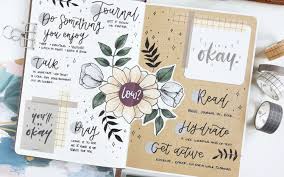
Sometimes, life feels like a whirlwind. Thoughts spin, and worries pile up. It’s easy to feel lost in the noise.
Many people look for a quiet space. They want a way to sort through their feelings. Journaling is a powerful tool for this.
It’s a personal conversation with yourself. It helps you understand your day. It also helps you understand your mind.
Journaling is a personal practice. It involves writing down thoughts, feelings, and experiences. It can help with stress. It can also improve self-awareness. Many find it a calming activity. It’s a way to process life’s events. You don’t need to be a great writer. Just simple words work fine.
What is Journaling?
Journaling is basically writing things down. Think of it like a diary. But it’s more than just what happened.
It’s about how you felt about it. It’s also about what you thought. You can write about anything.
Your day, your dreams, your worries. You can even write about a good meal. Or a funny joke you heard.
It’s your private space. No one else needs to see it. This freedom makes it special.
It lets you be truly honest.
Why do people journal? It helps clear your head. When you write, your thoughts slow down.
You can see them more clearly. This makes problems feel smaller. It helps you find solutions too.
Journaling is like talking to a friend. But this friend is always there. And this friend never judges you.
It is a safe place for your ideas. It is a safe place for your emotions. It can even help you remember things.
Little details you might forget.
How does it work? The act of writing itself is helpful. It forces you to slow down.
You think about what you are writing. This makes your thoughts more solid. You can then look at them.
You can question them. You can accept them. It is a way to track your growth.
You can look back at old entries. You see how far you have come. You see what you have learned.
This can be very encouraging. It shows your resilience.
My Own Journaling Journey
I remember my first journal. It was a small, blue notebook. I got it years ago.
I felt overwhelmed then. My job was tough. My personal life was messy.
I didn’t know where to start. A friend suggested I try journaling. I thought, “What’s the point?” I’m not a writer.
But I was desperate. So, I sat down one evening. The house was quiet.
I opened the blue notebook. I stared at the blank page. My mind was still racing.
I wrote, “I don’t know what to write.”
That felt silly. But it was true. So, I kept writing.
“Everything feels hard right now.” I wrote about a work problem. Then I wrote about feeling tired. I wrote about the rain outside.
Slowly, the words came. They weren’t fancy. They were just simple thoughts.
I felt a little lighter. The racing thoughts slowed. It was like a dam breaking.
Little by little, the worries flowed out. Onto the page. They didn’t disappear.
But they felt more manageable. I could see them. I wasn’t just lost in them.
That night changed things for me. I learned that journaling isn’t about perfect prose. It’s about honest expression.
It’s about letting yourself feel. And then writing it down. It’s a practice.
And like any practice, it gets easier. The more I did it, the more I got out of it. I started looking forward to it.
It became my quiet time. My moment of peace in a busy world. It still amazes me today.
How a simple notebook can hold so much. And how writing can make such a big difference.
Getting Started: Your First Entry
What to Expect: Your first entry might feel awkward. That’s okay. Just start somewhere.
Write about your feelings right now. Or what you ate for lunch. Or why you decided to start journaling.
There are no wrong answers.
Keep it Simple: Use simple words. Short sentences work best. Don’t worry about grammar.
This is for your eyes only.
Be Honest: Try to write what you truly feel. Even if it’s uncomfortable. Honesty is the key to unlocking benefits.
Why Journaling is Good for You
Journaling offers many benefits. It’s like a workout for your mind. And your emotions.
It helps you manage stress. When you write down worries, they lose power. You can see them better.
This makes them less scary. It helps you cope with hard times. It’s a safe way to express anger or sadness.
You don’t have to keep it inside. This is good for your health. It can lower your blood pressure.
It can boost your mood.
Journaling also improves self-awareness. You learn about your thoughts. You learn about your patterns.
You might notice you worry a lot. Or that certain things make you happy. This knowledge helps you.
You can make better choices. You can change habits that don’t serve you. You become more mindful.
You pay attention to your inner world. This helps you grow as a person. You understand yourself more deeply.
Another big win is problem-solving. When you write down a problem, you can look at it. You can break it into smaller parts.
You can brainstorm ideas. You can see solutions you missed before. It’s like shining a light on a dark corner.
You discover things. You can also use your journal to set goals. Writing them down makes them real.
You can track your progress. This keeps you motivated.
Journaling Benefits: A Quick Look
- Stress Reduction: Write out worries to ease tension.
- Improved Mood: Expressing feelings can lift spirits.
- Self-Discovery: Learn your thoughts and patterns.
- Better Problem-Solving: Find solutions by writing them down.
- Goal Achievement: Track progress and stay motivated.
- Enhanced Memory: Jotting things down helps you recall them.
Choosing Your Journal
Picking a journal is fun. It’s the first step. You can use anything.
A simple spiral notebook works. A fancy leather-bound book is nice too. Choose something that calls to you.
Something you want to open. The feel of the paper matters. The size matters.
Do you want it small enough for your purse? Or large enough for lots of writing? Think about what makes you happy.
Pens are also important. Find a pen that writes smoothly. A pen you enjoy using.
Black ink is classic. But a fun color can be nice too. Some people like bullet journals.
They use them for planning and tracking. Others prefer free writing. Just letting thoughts flow.
There is no right or wrong way. The best journal is the one you use.
Consider digital options too. Apps on your phone or computer. These can be handy for some.
You can type quickly. You can search your entries. But many find paper more calming.
The physical act of writing can be therapeutic. It connects you to your thoughts more directly. It’s a personal choice.
Try different things. See what fits your style best.
Journal Styles to Consider
Classic Notebook: Simple, versatile. Great for free writing.
Bullet Journal: For organized lists, tasks, and tracking.
Gratitude Journal: Focuses on what you’re thankful for.
Art Journal: Combines writing with drawing or painting.
Digital Journal: Apps offer convenience and searchability.
Ideas to Write About: Journal Prompts
Sometimes, the hardest part is starting. Your mind goes blank. You don’t know what to write.
This is where prompts come in. Prompts are like helpful hints. They give you a starting point.
They spark your imagination. You don’t have to use them exactly. You can twist them or change them.
They are there to get your pen moving.
You can find prompts online. There are books filled with them. Or you can make your own.
Think about what you want to explore. Your dreams? Your fears?
Your goals? Your relationships? Your past?
Your future?
Here are some ideas to get you started:
Daily Prompts
- What was the best part of your day?
- What was challenging today? How did you handle it?
- What are you grateful for right now?
- What did you learn today?
- If you could change one thing about today, what would it be?
- What did you do for yourself today?
- What is one positive thought you can hold onto?
Deeper Prompts
- Describe a time you felt really proud of yourself.
- What does your ideal day look like?
- What are your biggest fears? How can you face them?
- What makes you feel truly happy?
- If you could give your younger self advice, what would it be?
- What are your core values?
- What does success mean to you?
- Describe a place where you feel completely at peace.
- What are you currently struggling with? Write about it without judgment.
- What is a dream you have for the future?
Quick Prompt Ideas
Theme: Choose a theme like “Nature” or “Friendship” and write about it.
Quote: Find a quote and write what it means to you.
Sensory Detail: Focus on one sense (sight, sound, smell, taste, touch) and describe something vividly.
“What If?”: Pose a “what if” question and explore the possibilities.
Making Journaling a Habit
Starting is one thing. Keeping it going is another. How do you make journaling a habit?
Consistency is key. Even a few minutes a day helps. Try to set a regular time.
Maybe in the morning with coffee. Or before bed to wind down. Find a time that works for you.
And stick to it.
Don’t worry about doing it perfectly. Some days you’ll write a lot. Other days, just a sentence or two.
That’s okay. The goal is to show up. To connect with yourself.
If you miss a day, don’t beat yourself up. Just start again tomorrow. It’s a journey, not a race.
Keep your journal handy. Put it by your bed. Or on your desk.
The easier it is to access, the more likely you are to use it. You can also tie it to an existing habit. Like brushing your teeth.
Or after your morning shower. This helps create a new routine. Your brain links the two actions.
Tips for Habit Building
Start Small: Aim for just 5 minutes a day.
Be Consistent: Try to write at the same time each day.
Don’t Aim for Perfection: Any writing is good writing.
Keep it Accessible: Have your journal and pen ready.
Be Kind to Yourself: If you miss a day, just restart.
Journaling for Specific Needs
Journaling isn’t just for general self-care. It can be very specific. You can tailor it to help with certain issues.
For example, if you struggle with anxiety, a anxiety journal can be useful. You can write down what triggers your anxiety. You can also write how you felt.
And what you did to cope. This helps you see patterns. And develop better coping skills.
It’s a way to understand your anxiety better.
People also use journaling for mood tracking. This involves noting your mood each day. You can rate it on a scale.
Or write a few words about it. You can also track activities. Like sleep, food, or exercise.
Over time, you see how these affect your mood. This is great for understanding mental health. It can also help you talk to a doctor.
You have concrete information.
A gratitude journal is another popular type. Here, you focus on things you are thankful for. It could be big things, like family.
Or small things, like a sunny day. Practicing gratitude has been shown to boost happiness. It shifts your focus.
It helps you appreciate what you have. Instead of what you lack. It’s a powerful way to reframe your thinking.
For those dealing with difficult events, a trauma journal can be a part of healing. However, this should be approached with caution. It’s best done with guidance from a therapist.
Writing about traumatic events can be re-traumatizing if not handled carefully. It’s a tool for processing, but needs expert support.
Even simple journaling can help with decision making. When faced with a tough choice, writing down the pros and cons. Exploring your feelings about each option.
Can bring clarity. You can write out scenarios. What if you choose path A?
What if you choose path B? This helps you see the outcomes more clearly.
Specialized Journals
| Journal Type | Purpose | Key Benefit |
| Anxiety Journal | Track triggers and coping mechanisms. | Reduces anxiety by understanding it. |
| Mood Tracker | Log daily moods and related activities. | Reveals patterns affecting well-being. |
| Gratitude Journal | List things you are thankful for. | Increases happiness and appreciation. |
| Decision Journal | Explore choices and their potential outcomes. | Clarifies complex decisions. |
When to Seek Professional Help
Journaling is a wonderful tool. It can help you understand yourself. It can help you cope.
But it is not a substitute for professional help. If you are experiencing severe distress. If you are having thoughts of harming yourself.
Or if you are struggling to function in daily life. Please reach out to a mental health professional. A therapist or counselor can provide expert support.
They can offer strategies. And guidance tailored to your needs.
Your journal can be a bridge. It can help you articulate your struggles. When you meet with a therapist, you can share your entries.
This can give them insight. It can help them understand you better. But remember, your journal is private.
Only share what you are comfortable sharing. A therapist is there to help you. They have the training.
And experience to guide you through difficult times. Don’t hesitate to seek their help.
Sometimes, people use journaling to prepare for therapy. They might write down questions. Or key points they want to discuss.
This makes therapy sessions more focused. It ensures you get the most out of your time. It is a proactive step towards healing.
And self-improvement. Remember, your well-being is most important.
Frequently Asked Questions about Journaling
What is the best time of day to journal?
The best time to journal is whenever works for you. Many people find mornings helpful for setting intentions or reflecting on dreams. Others prefer evenings to decompress from the day. Consistency is more important than the specific time.
Do I need to write a lot in my journal?
No, you absolutely do not need to write a lot. Even just a few sentences or a single paragraph can be beneficial. The goal is to engage with your thoughts and feelings, not to fill pages. Start small if that feels more manageable.
Can journaling help with writer’s block?
Yes, journaling can be a great way to overcome writer’s block. By writing freely without pressure for perfection, you can loosen up your writing muscles. Using prompts can also help spark new ideas and get your creativity flowing.
Is it okay if my journal entries are messy or not well-written?
Yes, it is more than okay. In fact, it’s often preferred. Your journal is a private space for honest expression, not a formal essay. Messy thoughts and imperfect writing are perfectly fine and often more authentic.
How often should I journal?
The ideal frequency for journaling is personal. Many find daily journaling to be most effective for building a habit and seeing benefits. However, journaling a few times a week can also be very helpful. Aim for what feels sustainable for you.
Can I use my journal to track my goals?
Absolutely. A journal is an excellent tool for setting and tracking goals. You can write down your goals, break them into smaller steps, and record your progress. Reviewing your entries can help you stay motivated and adjust your plan as needed.
Conclusion
Starting a journaling practice can be a simple act with profound effects. It’s a personal journey of discovery. A way to find clarity.
And peace. You don’t need fancy tools. Just a willing heart.
And a willingness to write. Give it a try. You might be surprised by what you find.