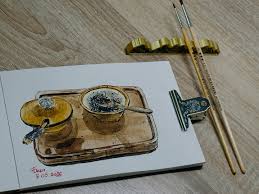
Gratitude journaling is a practice of regularly writing down things you are thankful for. It helps shift focus from what’s lacking to what you have. This simple habit can improve mood, reduce stress, and foster a more positive outlook on life.
What Is a Gratitude Journal?
A gratitude journal is just a notebook. You use it to write down things you appreciate. It can be anything.
Big or small. Like a sunny day. Or a kind word from a friend.
You can write in it every day. Or just when you feel like it. There’s no wrong way to do it.
The main goal is to pause. Then think about the good stuff in your life. This helps you see things differently.
It can make your day feel brighter. It’s like a little treasure box of happy moments.
Why does this matter? Well, our brains are wired to notice problems. It’s a survival thing.
But this can make us feel down. Gratitude journaling trains your brain to see the good too. It balances things out.
It helps you feel more content. Even when things aren’t perfect. It’s a small step.
But it can lead to big changes in how you feel.
So, what can you expect to learn? We’ll dive into why this simple act helps. We’ll look at different types of prompts.
You’ll see how to make it a habit. And we’ll explore how it changes your daily view.
My Own Journey with Gratitude
I remember feeling really stuck a few years ago. Work was stressful. My personal life felt a bit wobbly.
Everything just seemed… grey. I heard about gratitude journaling. Honestly, I was skeptical.
How could writing down things I was thankful for change anything? It felt a bit silly. Like I was just pretending things were good.
One rainy Tuesday, I sat down with a cheap notebook and a pen. I forced myself to write three things. My first thought was, “I have a roof over my head.” It felt bland.
Then I thought, “My cat is purring next to me.” That felt a little warmer. For my third, I thought about the hot tea I was drinking. It was warm and comforting.
Not exactly life-changing, right? But something felt different. A tiny shift.
It was like I’d opened a small window in a dark room.
I kept it up. Most days, it was easy. Some days, it was a struggle.
I’d write about the clean water from my tap. Or the way the streetlights looked on my walk home. Slowly, I started to notice more things throughout my day.
I wasn’t just waiting to write them down. I was actually seeing them. The way my neighbor’s flowers bloomed.
The funny little quirks of my coworkers. It didn’t magically fix all my problems. But it changed how I felt about them.
The grey started to fade. Little bits of color appeared. That’s when I knew this was something real.
Something powerful in its simplicity.
Quick Scan: What Makes a Good Gratitude Journal Entry?
Keep it simple: You don’t need fancy words.
Be specific: Instead of “family,” try “my brother making me laugh today.”
Focus on feelings: How did this thing make you feel?
It counts: Every little thing adds up.
The Science Behind Feeling Thankful
It’s not just a nice idea. There’s real science behind why gratitude helps us. When you feel thankful, your brain releases chemicals.
These are good chemicals. They make you feel happy. They make you feel calm.
Things like dopamine and serotonin. These are the same chemicals that help with stress. They help you sleep better too.
It’s like giving your brain a little spa treatment.
Studies show that people who practice gratitude are often happier. They have fewer physical problems. They even have better relationships.
It’s because when you focus on good things, you attract more good things. Or at least, you notice them more. Your whole outlook shifts.
This is a powerful thing. It’s not magic. It’s your brain working for you.
You are telling your brain what to focus on.
Think about it like this. If you keep looking for rain, you’ll find clouds. If you look for sunshine, you’ll see it too.
Gratitude helps you look for the sun. It doesn’t mean the clouds go away. But you can still enjoy the sun.
This helps you cope better. It makes you more resilient. It builds a stronger inner self.
Getting Started: Your First Gratitude Prompts
Ready to give it a try? The best way to start is with simple prompts. Don’t overthink it.
Just pick one that speaks to you. Write down your answer. That’s it.
You can do this anywhere. At your desk. In bed.
Even waiting in line.
Here are some easy prompts to get you started. They focus on the basics. Things we often overlook.
Give them a try today. See how it feels.
Everyday Things You Appreciate
What is one thing you used today that made your life easier? Maybe it’s your coffee maker. Or your comfy socks.
Think about the objects around you. How do they help you?
What is one simple pleasure you experienced today? This could be the taste of food. The feel of sunshine on your skin.
Or the sound of a favorite song.
What is something beautiful you saw today? It doesn’t have to be grand. A cloud formation.
A pattern on a leaf. The way light hits an object.
What is one comfort in your home? Maybe it’s a soft blanket. A favorite chair.
Or a quiet corner.
What is one thing about your body you are grateful for? Maybe it’s your strong legs. Your able hands.
Or your good hearing.
Contrast: Normal vs. Concerning
Normal: Feeling a bit tired and writing “I’m grateful for my bed” because it’s comfortable.
Concerning: Feeling deeply sad or hopeless and struggling to find even one thing to be grateful for, every day, for an extended period.
People and Relationships
Our connections with others are so important. Gratitude for people can strengthen those bonds. It reminds us we aren’t alone.
It helps us see the good in those around us.
Who is one person who made you smile today? Think about a small interaction. A text message.
A quick chat.
What is something a loved one did for you recently? It could be big or small. Cooking a meal.
Offering advice. Or just listening.
What is a quality you admire in a friend? Think about their kindness. Their humor.
Their strength.
Who is someone who has taught you something valuable? This could be a teacher. A parent.
Or a stranger who shared a tip.
What is one way someone has supported you through a tough time? Think about a moment you needed help. And someone was there.
Observational Flow: Making Time for Gratitude
Morning: Start your day. Think of 1-2 things you’re thankful for before getting out of bed.
Midday: During a break. Note a pleasant moment or helpful person.
Evening: Before sleep. Reflect on 2-3 things that happened during your day that you appreciate.
Weekly Review: Look back at your entries. Notice patterns or favorite moments.
Personal Growth and Learning
Every experience teaches us something. Even the tough ones. Gratitude can help us see the lessons.
It helps us appreciate how far we’ve come.
What is one skill you have learned that you are thankful for? This could be something you learned in school. Or something you taught yourself.
What is a challenge you have overcome? How did it make you stronger?
What is something new you learned recently? It could be a fact. Or a new way of doing something.
What is an opportunity you have had that you are thankful for? Think about chances you’ve been given.
What is one way you have grown as a person? Think about changes you’ve noticed in yourself.
Moments of Joy and Happiness
Sometimes, we just need to remember the good feelings. Prompts focused on joy can help us savor those moments. They help us bring more happiness into our lives.
What is a memory that always makes you happy? Think about a special event or time.
What is something that made you laugh today? Or this week?
What is your favorite place to be? Why does it bring you joy?
What is a song or piece of music that lifts your spirits? What feelings does it bring up?
What is a simple thing that brings you pure delight? Maybe it’s a pet greeting you. Or the smell of rain.
Stacked Micro-Sections: The Power of Small Thanks
Daily Thanks: Even on hard days, find one thing.
Specifics Matter: “Sunlight” is good. “The warm sun on my face as I walked to the store” is better.
Feelings Focus: Connect thanks to how it made you feel (happy, safe, loved).
Consistency is Key: A little bit often is more powerful than a lot rarely.
Things You Took for Granted
We often don’t appreciate things until they are gone. These prompts help us recognize what we have right now. Before we might miss it.
What is one basic need you have met today? Like food, water, or shelter.
What is one piece of technology you use that you are thankful for? Think about how it connects you or helps you.
What is a freedom you have that you are grateful for? This could be freedom of speech. Or freedom to choose your path.
What is something about your health that you appreciate? Even small things count.
What is something in your community that you value? A park? A library?
A local shop?
Challenges and How You’re Facing Them
Life isn’t always easy. But facing challenges builds strength. It’s good to acknowledge your own resilience.
And the support systems you have.
What is a difficulty you are currently navigating? How are you approaching it?
What resource (person, tool, skill) are you using to help you with this challenge?
What have you learned about yourself through this difficulty?
Who is someone you can turn to when things get tough? What makes them a good support?
What is one small step you can take today to feel more in control of a difficult situation?
Quick-Scan Table: Prompt Categories
| Category | Example Prompt |
|---|---|
| Everyday Things | What is one comfort in your home? |
| People | Who is one person who made you smile today? |
| Growth | What challenge have you overcome? |
| Joy | What is a memory that always makes you happy? |
| Taken for Granted | What basic need did you have met today? |
| Challenges | What resource are you using to help you with a difficulty? |
Nature and the World Around You
The natural world offers so much beauty and peace. Taking time to appreciate it can be very grounding. It connects us to something bigger.
What is one aspect of nature you find particularly beautiful? The sky? Trees?
Water?
What is a sound from nature you enjoy? Birdsong? Wind?
Rain?
What is something about the weather today that you appreciate? Sunshine? Cool air?
A gentle breeze?
What is a plant or animal you find fascinating? What do you admire about it?
What is something in nature that makes you feel peaceful?
Work and Accomplishments
Whether it’s your job or personal projects, recognizing your efforts is important. It builds confidence and motivation.
What is one task you completed today that you are proud of? It can be small!
What is a skill you use at work or in your projects that you value?
What is one positive feedback you received recently? Or something you noticed yourself doing well?
What is something about your workspace that you appreciate?
What is one goal you are working towards? What excites you about it?
Split Insight Panel: Making Gratitude a Habit
Consistency Over Quantity: It’s better to write one sentence daily than a page once a month.
Timing is Flexible: Find a time that works for YOU – morning, lunch, or before bed.
Vary Your Prompts: Don’t get stuck in a rut. Explore different areas of your life.
Allow for “Meh” Days: Some days it’s hard. Just writing “the sky is blue” is okay.
Experiences, Big and Small
Our lives are made up of moments. Some are grand events, others are tiny, fleeting joys. All are worth noting.
What is one memorable event from your past that you cherish?
What is a small, unexpected joy you experienced recently?
What is something you learned from a mistake or failure?
What is a tradition that is important to you?
What is something you look forward to in the coming week?
Your Own Qualities and Strengths
We are often our own harshest critics. Recognizing our own good qualities is crucial for self-esteem. It fuels our confidence.
What is one personal quality you possess that you are thankful for? (e.g., patience, creativity, humor)
What is a strength that has helped you in a difficult situation?
What is something you are good at doing?
What is a way you have positively impacted someone else’s life?
What is one thing you like about your personality?
Card Grid: Deeper Dive Prompts
A Sensory Experience
Describe something you saw, heard, smelled, tasted, or felt today that brought you comfort or joy.
An Unsung Hero
Think of someone or something that does a lot of good work without much recognition. What is it and why are you grateful for it?
A Moment of Peace
Describe a time when you felt truly calm and at peace. What made it so special?
A Learning Curve
What is something challenging you are currently learning? What do you appreciate about the process, even if it’s difficult?
Things You Can Do Differently
Gratitude isn’t just about noticing. It’s also about how it changes your actions. How it influences your choices.
What is one small act of kindness you can show someone today?
How can you use your strengths to help others this week?
What is something you can do to practice self-care today?
How can you bring more presence and awareness to your daily activities?
What is one habit you want to cultivate that will bring you more joy or peace?
Making Gratitude a Lifelong Practice
The real magic of gratitude journaling happens over time. It’s not a quick fix. It’s a way of living.
A way of seeing the world.
If you miss a day, don’t worry. Just start again tomorrow. The most important thing is to be gentle with yourself.
Some days will be easier than others. That’s perfectly normal.
Try keeping your journal somewhere visible. Like on your bedside table. Or near your morning coffee spot.
This is a gentle reminder. It can help you build the habit. You might even find that you start to notice good things even when you don’t have your journal handy.
That’s the power of training your brain.
Remember, gratitude isn’t about ignoring problems. It’s about acknowledging the good that exists alongside them. It’s about building a stronger foundation of well-being.
It’s about finding more joy in the everyday.
Frequently Asked Questions
How often should I write in my gratitude journal?
There’s no strict rule! Many people find daily journaling most effective. Others prefer a few times a week.
Choose a frequency that feels manageable and enjoyable for you. Consistency is more important than frequency.
What if I can’t think of anything to be grateful for?
This happens! On tough days, focus on the absolute basics. For example, “I’m grateful for the air I breathe,” or “I’m grateful for my bed.” You can also use prompts like “What is one thing I can see right now?” or “What is one sound I hear?” The goal is to shift your focus, even slightly.
Do I need a special notebook?
Not at all! Any notebook or even a digital document works. The most important thing is that it’s a space you feel comfortable using.
Some people like fancy journals, others prefer plain ones. Use what works best for you.
What’s the difference between gratitude and happiness?
Happiness is often a feeling of pleasure or contentment. Gratitude is a specific emotion or attitude of thankfulness. While gratitude can lead to happiness, they are distinct.
You can feel grateful even when you aren’t experiencing peak happiness, and vice-versa.
Can gratitude journaling help with anxiety or depression?
Yes, many studies suggest gratitude practices can positively impact mental well-being. It helps shift focus away from negative thoughts. It can improve mood and reduce stress.
However, it’s not a replacement for professional medical advice or treatment for serious conditions.
Should I write long entries or short ones?
Both are fine! Some days you might have a lot to say. Other days, a single sentence might be all you can manage.
The quality of your reflection matters more than the quantity of words. Aim for a genuine feeling of thankfulness.
Conclusion
Starting a gratitude journal is a simple step. But it can open up a world of positivity. It helps you see the good that’s already in your life.
Use these prompts as a guide. Find what resonates with you. Be patient.
Be kind to yourself. And watch how noticing the good can make your whole life feel a little brighter.