Journaling for beginners involves finding a simple way to write down thoughts, feelings, or daily events. It’s about creating a personal space for reflection, not about perfect writing. Start with a notebook and pen, or a simple app, and aim to write just a few sentences each day about whatever comes to mind.
The goal is consistent practice, not perfection.
What is Journaling and Why Do It?
Journaling is like having a conversation with yourself. You write down what’s on your mind. It can be about your day, your feelings, your dreams, or even just random thoughts.
Think of it as a diary, but with more freedom. You don’t have to stick to just events. You can write about what makes you happy or what worries you.
It’s a safe place for your ideas.
People journal for many reasons. Some find it helps them understand themselves better. When you write things down, you can see patterns.
You might notice what triggers certain feelings. Others use it to manage stress. Getting worries out on paper can feel like a relief.
It can also boost creativity. Writing can spark new ideas. It’s a tool for personal growth.
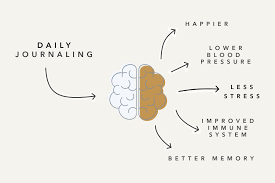
The benefits are wide-ranging. It can improve your memory. Writing things down helps you recall them later.
It also builds self-awareness. You learn more about your own thoughts and reactions. For some, it’s a way to practice gratitude.
Focusing on good things can lift your mood. And for many, it’s simply a relaxing habit. A quiet moment just for you.
My First Attempt at a Journal
I remember the first time I decided to journal. It was years ago, during a really stressful period at work. Everything felt like too much.
My friend, who seemed so calm all the time, suggested I try journaling. “Just write it all down,” she said. So, I bought a nice, blank notebook.
It had a beautiful leather cover. I felt a bit silly, like I was in a movie.
That first night, I sat at my desk. The notebook lay open, mocking me. What was I supposed to write?
“Dear Diary, today was… bad”? It felt forced. I stared at the blank page for what felt like an hour.
The cursor on my laptop blinked. My mind raced with all the things I should write. I felt a pang of annoyance.
This was supposed to help, right? It just felt like another chore.
Finally, I just started writing. I wrote about how silly I felt. I wrote about the blinking cursor.
I wrote about the pressure from my boss. It wasn’t eloquent. There were no deep insights.
It was just a jumble of words. But as I wrote, something shifted. The knot in my stomach loosened a tiny bit.
It wasn’t perfect, but it was out of my head. I closed the book, feeling a little lighter. That was the start.
Quick Start: Your First Journal Entry
Keep it simple: Don’t worry about fancy words.
Pick a prompt: If stuck, try: “How am I feeling right now?” or “One good thing today was.”
Write for 5 minutes: Set a timer. Stop when it rings. No pressure to continue.
No judgment: Your journal is for you. No one else will see it.
What Kind of Journal Should I Use?
This is a common question for beginners. The good news is, there’s no single “right” answer. The best journal for you is the one you’ll actually use.
Think about what feels good in your hands. Consider how you like to write or type.
Many people start with a simple notebook. Any kind will do. A spiral-bound one is easy to lay flat.
A hardcover book can feel more special. Some prefer lined paper. Others like blank pages for doodling or drawing.
You can also find journals with prompts already inside. These can be helpful when you’re unsure what to write about.
If you’re more tech-savvy, a digital journal works too. There are many journaling apps available. Some are very basic.
They let you type your thoughts and save them. Others offer more features. They might have mood trackers, custom prompts, or even ways to add photos.
You can also use a regular word processor like Microsoft Word or Google Docs. Just create a new document for each entry.
Some people enjoy bullet journaling. This is a more structured method. It often combines a planner, diary, and to-do list.
It uses symbols (bullets) to track tasks, events, and notes. This can be great if you want to organize your life while journaling. But for pure thought-dumping, a simple notebook or app is often best to start.
Don’t get too hung up on the “perfect” journal. You can always switch later. The most important thing is to start.
Try a few options if you can. See which one feels most natural to you. A cheap notebook is just as valid as a fancy leather-bound one.
What matters is the act of writing.
When and Where to Journal
Timing is another personal choice. There’s no rule that says you must journal at a certain time. Many people find morning journaling helpful.
It can set a positive tone for the day. You can write about your goals or your dreams. Or you might just jot down what you’re looking forward to.
Evening journaling is also very popular. This is a great way to wind down. You can reflect on your day.
What went well? What was challenging? Writing before bed can help clear your mind.
This might lead to better sleep. It’s like tidying up your thoughts before you rest.
Some people like to journal during a break in the day. Maybe during your lunch hour. Or a quiet moment in the afternoon.
This can be a good way to pause and reset. It breaks up the monotony. It gives you a moment of personal time.
Consistency is more important than the exact time. Try to find a slot that works for you most days. Even 5-10 minutes can make a difference.
Don’t feel pressured to write for long periods. It’s the regular practice that builds the habit.
As for where, again, choose what’s comfortable. A quiet corner in your home is ideal. Your desk, your favorite armchair, or even your bed.
Some people like to take their journal to a park. A coffee shop can also be a nice spot. Find a place where you feel relaxed and undisturbed.
Turn off your phone notifications if you can. This helps you focus on your writing.
Journaling Time Slots
- Morning: Start your day with intention.
- Midday: A quick break to reset.
- Evening: Wind down and reflect.
- Anytime: Whenever inspiration strikes or stress hits.
What Should I Write About? Prompts for Beginners
This is where many beginners get stuck. The blank page can be intimidating. What if I don’t have anything interesting to say?
The truth is, everything you think or feel is interesting enough for your journal. Your journal is for you. There are no grades or critics.
Here are some simple prompts to get you started. You don’t have to use them every day. They are just ideas to spark your thoughts.
You can pick one that resonates with you.
Daily Reflection Prompts
- What was the best part of my day?
- What was the hardest part?
- What did I learn today?
- What am I grateful for right now?
- How am I feeling physically and emotionally?
- What is one small thing I can do tomorrow?
Feeling-Focused Prompts
- What emotion am I feeling most strongly right now? Why?
- What made me feel happy today?
- What made me feel frustrated?
- When did I last feel truly relaxed? What was I doing?
- What worries are on my mind? Can I write them down?
Future-Oriented Prompts
- What are my goals for this week?
- What do I hope to achieve in the next month?
- What kind of person do I want to become?
- What is one dream I have?
- If anything were possible, what would I do?
Creative and Fun Prompts
- If I could have any superpower, what would it be?
- What is my favorite memory?
- Describe your perfect day.
- If my pet could talk, what would it say?
- What are three things I love about myself?
Sometimes, just writing about your surroundings can be a good start. Describe the room you’re in. What do you see, hear, smell?
Or write down a conversation you had. Or just describe the weather. The goal is to get your pen moving.
Once you start writing, more ideas often follow.
Contrast Matrix: What to Write vs. What Not to Worry About
What To Write (Focus On)
Your feelings (happy, sad, angry)
Your thoughts and worries
Daily events, big or small
Goals and dreams
Gratitude and appreciation
Things you want to remember
What Not To Worry About
Perfect grammar or spelling
Beautiful handwriting
What others might think (it’s private!)
Having “enough” to write about
Being overly creative or profound
Writing every single day without fail
Common Challenges and How to Overcome Them
Even with the best intentions, journaling can present challenges. It’s normal to face them. The key is to recognize them and find ways to move past them.
One common hurdle is the “blank page syndrome.” You sit down to write, and nothing comes. This can be frustrating. If this happens, try a different approach.
Instead of a free-write, pick a specific prompt. Or simply write “I don’t know what to write” over and over until something else pops up. Sometimes, just that action of writing something, anything, breaks the block.
Another challenge is lack of consistency. Life gets busy. You miss a day, then two, then a week. The journal starts to feel like a forgotten friend.
To combat this, be realistic about your goals. Start small. Maybe commit to writing for just 5 minutes, 3 times a week.
Schedule it like an appointment. Put a reminder on your phone.
Some people worry about privacy. What if someone finds my journal? This is a valid concern. If you’re using a physical notebook, keep it in a safe place.
Don’t leave it out. If you’re using a digital app, make sure it has a password or passcode. For very sensitive thoughts, consider a password-protected document on your computer or a cloud service with strong security.
There’s also the pressure to be “good” at journaling. You might compare your entries to what you imagine others write. Remember, your journal is your personal space. It’s not a competition.
There’s no right or wrong way to do it. Focus on the benefits it brings you, not on how it looks to an imaginary audience.
Finally, feeling like it’s not working. You’ve been journaling for a while, but you don’t feel any different. Journaling is a practice. Its effects can be subtle and build over time.
Reread past entries. You might be surprised at how much you’ve grown or changed. Even if you don’t see big shifts, the act of reflection itself is valuable.
Challenge Buster: Quick Tips
- Blank Page? Write “I don’t know” or pick a prompt.
- Missed a day? Just start again. No big deal.
- Privacy worries? Use a password or keep it hidden.
- Feeling “bad” at it? Your journal is for YOU.
- Not seeing results? Give it time. Reread old entries.
Making Journaling a Habit
Turning journaling into a habit requires a bit of planning and patience. It’s like any new skill. You build it up over time.
The goal is to make it feel natural and less like a chore.
Start small. I can’t stress this enough. Don’t aim to write a novel every day. Aim for 5 minutes.
Or even just 3 sentences. A tiny habit is easier to stick with. Once it feels easy, you can gradually increase the time or the amount you write.
Link it to an existing habit. This is called habit stacking. For example, “After I brush my teeth in the morning, I will journal for 5 minutes.” Or, “After I finish dinner, I will write down one thing I’m grateful for.” Tying it to something you already do makes it easier to remember.
Make it enjoyable. Use a pen you love. Write in a notebook that feels good. Listen to calm music while you write, if that helps.
Make it a pleasant experience, not a task you dread.
Don’t aim for perfection. Some days your entry will be short and simple. Other days, you might pour out your thoughts. Both are okay.
Don’t beat yourself up if an entry isn’t “good.” The act of writing is the success.
Review your progress. Every so often, look back at your older entries. See how far you’ve come. Notice the themes that appear.
This can be motivating. It shows you that you’re sticking with it and that it’s having an effect, even if it’s subtle.
Be kind to yourself. If you miss a few days, it’s not the end of the world. Just pick up where you left off. Don’t let a lapse turn into giving up.
Acknowledge it and start again. It’s about progress, not perfection.
Habit Stacking Ideas
- Morning: After coffee, before checking phone.
- Lunch Break: During your quiet time.
- Evening: After dinner, before TV.
- Bedtime: Before you turn off the light.
What This Means for You: Normalcy and When to Seek More Help
It’s important to understand what’s normal in journaling and when your entries might signal a need for more support. Your journal is a private space, but it can also be an early indicator of your well-being.
Normal Journaling Experiences:
- Writing about everyday events and feelings.
- Expressing happiness, sadness, frustration, or excitement.
- Working through minor worries or challenges.
- Making plans or setting small goals.
- Feeling a sense of relief or clarity after writing.
- Sometimes having “off” days where writing is difficult.
When to Pay Closer Attention:
If your journaling consistently focuses on very dark themes, and you feel overwhelmed by them, it’s a sign to seek more help. This could include:
- Frequent thoughts of hopelessness or despair.
- Writing about self-harm or suicidal ideation.
- An inability to feel any positive emotions, even when trying.
- Feeling constantly overwhelmed by anxiety or panic.
- Writing about dangerous or impulsive behaviors.
What to Do If You’re Concerned:
If your journaling brings up serious concerns about your mental health, please reach out. You are not alone. Here are some steps you can take:
- Talk to a trusted friend or family member. Sharing your concerns can be a huge relief.
- Consult a doctor. Your primary care physician can offer guidance and referrals.
- Seek professional help. A therapist or counselor can provide tools and support. Many offer sliding scale fees.
- Contact a crisis hotline. If you are in immediate distress, these services are available 24/7. In the U.S., you can call or text 988 to reach the Suicide & Crisis Lifeline.
Remember, journaling is a tool. It can help you understand yourself better. But it’s not a
Quick Fixes and Tips for a Better Journaling Experience
Here are some simple ideas to make your journaling smoother and more rewarding.
1. Keep Your Journal Accessible
If your journal is buried in a drawer, you’re less likely to use it. Keep it on your nightstand, your desk, or in your bag. Make it easy to grab when you have a few minutes.
2. Use Prompts When Stuck
Don’t force yourself to come up with profound thoughts. Use prompts from books, apps, or online lists. Even simple prompts like “What did I eat today?” can get you started.
3. Try Different Formats
Not feeling like writing sentences? Try bullet points. Draw a picture.
Make a list. Use doodles. Mix it up to keep it interesting.
4. Date Your Entries
This is simple but important. Dating your entries helps you track your progress over time. It makes rereading past entries much more meaningful.
5. Don’t Edit Yourself
This is your private space. Don’t worry about grammar, spelling, or if your sentences make perfect sense. Just get your thoughts down.
Editing can come later, if ever.
6. Set a Gentle Reminder
Use your phone’s alarm or calendar. A gentle nudge can help you build the habit without feeling nagged.
7. Re-read Your Entries (Occasionally)
Looking back at old entries can be eye-opening. You can see how far you’ve come. You might notice patterns in your thoughts or feelings.
It’s a great way to see the benefits of journaling.
8. Combine With Other Activities
Some people like to journal while enjoying a cup of tea. Others do it after a walk. Find ways to pair journaling with activities you already enjoy.
Quick Scan: Journaling Dos and Don’ts
| DO | DON’T |
|---|---|
| Start small. | Try to write a novel every day. |
| Be consistent (even if short). | Worry about perfection. |
| Keep it private. | Let missed days stop you. |
| Use prompts when stuck. | Compare your journal to others’. |
| Make it a pleasant ritual. | See it as a chore. |
Frequently Asked Questions About Journaling
Is there a best time of day to journal?
There’s no single “best” time. Morning journaling can help you plan your day and set intentions. Evening journaling can help you reflect and unwind.
Choose a time that works best for your schedule and when you feel most at ease. Consistency is more important than the specific time.
What if I don’t have anything interesting to write about?
Your journal is for your thoughts and feelings, no matter how mundane they seem. You can write about your daily tasks, what you see around you, or how you’re feeling. Prompts can also help spark ideas when you feel stuck.
Even writing “I don’t know what to write” is a valid entry.
Do I need a special notebook or app?
Not at all! You can start journaling with any notebook and pen you have on hand. A simple lined notebook is perfectly fine.
If you prefer digital, a basic note-taking app or a word processor works too. The tool is less important than the act of writing itself.
How long should my journal entries be?
There’s no set length. Some days you might write a few sentences, other days a page or more. For beginners, aiming for 5-10 minutes or a few paragraphs is a great starting point.
Focus on expressing your thoughts rather than hitting a word count.
What’s the difference between a journal and a diary?
Traditionally, a diary focuses more on recording daily events. A journal is often broader, allowing for reflections, thoughts, feelings, dreams, and ideas. However, these terms are often used interchangeably today.
The key is that it’s a personal record of your inner life.
How often should I journal?
Aim for consistency. Daily journaling is ideal for building a strong habit and seeing the most benefits. However, if daily feels too much, start with journaling a few times a week.
The most important thing is to find a rhythm that you can maintain long-term.
Is it okay to write negative things in my journal?
Absolutely. Your journal is a safe space to express all your emotions, positive and negative. Writing about anger, sadness, or frustration can be very cathartic.
It can help you process these feelings without judgment. Just be mindful if you find yourself consistently writing about very dark or disturbing thoughts, as that might be a sign to seek support.
Conclusion: Your Journaling Journey Begins Now
Embarking on a journaling practice can be incredibly rewarding. It’s a simple act with profound potential. Remember to start small, be patient with yourself, and enjoy the process.
Your thoughts and feelings are valid and worth exploring. Happy journaling!