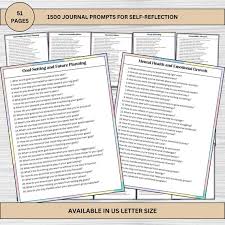
Life stage journal prompts help you reflect on where you are. They guide you to understand your feelings and goals. Writing can bring clarity during transitions and growth periods. Explore prompts tailored to different ages and experiences.
Understanding Life Stages Through Writing
We all go through different phases. Think about being a teenager. So many new feelings and pressures.
Then comes young adulthood. You might be starting a career or a family. Midlife can bring big changes too.
Retirement offers new freedoms and questions. Each time has its own unique challenges and joys.
Journaling is like talking to yourself. But it’s more focused. It helps you see patterns.
It shows you what matters most to you. It can uncover dreams you forgot about. It can also help you cope with tough times.
By writing, you capture moments. You learn from them. This is especially true when you’re moving from one phase to another.
This article will give you many ideas. These are journal prompts for life stage changes. They are designed to be easy to use.
You don’t need to be a writer. Just grab a pen and paper. Or use your favorite app.
The goal is to connect with your inner self. It’s about making sense of your experiences. Let’s explore these prompts together.
Your Twenties: Building Foundations
This time is often about figuring things out. You might be finishing school. Or starting your first real job.
Friendships might shift. Romantic relationships begin or deepen. There’s a sense of independence.
But also a lot of uncertainty. What do you really want your life to look like?
Journal prompts for life stage in your twenties can focus on goals. They can help you explore your values. They can guide you to make big decisions.
It’s a time for planting seeds. Writing helps you choose which seeds to plant. And how to tend them.
Exploring Your Newfound Freedom
You have more control now. You can make choices for yourself. What are you most excited to try?
What new experiences are calling you? Are there fears holding you back? Writing these down can make them feel smaller.
Think about your career. What kind of work feels meaningful? What skills do you want to learn?
It’s okay if you don’t have it all figured out. The journey is the point. Use your journal to track your learning.
Note what sparks your interest. Even small things can hint at your true passions.
Navigating Relationships and Identity
Your friendships might change. Some might fade. New ones might bloom.
How do you want to show up for your friends? What makes a friendship strong for you? Think about romantic relationships too.
What qualities do you look for in a partner? What are your boundaries?
This is also a key time for identity. Who are you outside of school or family? What are your core beliefs?
What makes you, you? Write about moments you felt most like yourself. What were you doing?
Who were you with? These clues are valuable.
Your Twenties: Quick Scan
New Experiences: What’s one new thing you want to do this year?
Career Path: What skills do you admire in others?
Friendship Goals: How can you be a better friend?
Self-Discovery: What music or art makes you feel understood?
It’s easy to compare yourself to others at this age. Everyone seems to be on a different track. Your journal can be a safe space.
It’s a place to focus on your own path. Without the noise of what others are doing.
Your Thirties: Building and Deepening
Many people in their thirties feel a shift. They might be more settled in careers. Some are starting families.
Others are focusing on personal growth. There can be a sense of responsibility. And a desire to build a lasting life.
This stage often involves balance.
Journal prompts for life stage in your thirties can explore this balance. They can help you reflect on your achievements. And look ahead to future goals.
It’s about building on what you’ve started.
Career Growth and Personal Fulfillment
Are you happy with your career? Does it align with your values? What challenges are you facing at work?
Are there opportunities for advancement? Or maybe you’re thinking of a change? Writing about your work can reveal hidden desires.
Beyond work, what brings you joy? What hobbies do you have? Or wish you had?
Make time for these things. Your journal can help you schedule them. It can also remind you why they are important.
Fulfillment comes from many sources.
Midlife Snapshot: Contrast Matrix
Myth: I should have my life completely figured out by now.
Reality: It’s normal to still be learning and adapting. Most people are.
Myth: I have to sacrifice my dreams for family.
Reality: Finding ways to integrate your dreams into your life is possible.
Myth: My best years are behind me.
Reality: Each life stage offers unique richness and experiences.
Family, Friends, and Looking Ahead
If you have a family, how are you nurturing those bonds? What are your hopes for your children? Or for your partner?
Relationships need care. Writing can help you identify areas needing attention. It can also celebrate the good times.
How are your friendships evolving? Do you make time for the people who matter? What are your goals for the next five to ten years?
This is a good time to think about legacy. Not just in wealth, but in impact. What do you want to be remembered for?
Think about self-care. Are you looking after your physical and mental health? What habits support you?
What habits drain you? Your thirties can be busy. Writing helps you prioritize yourself.
Even small moments of self-reflection count.
Your Forties and Fifties: Re-evaluation and Legacy
This period is often called midlife. It’s a time when many people pause. They look back at what they’ve done.
They question if they are on the right path. There might be feelings of regret. Or a strong desire for change.
It’s also a time when you might start thinking more about your legacy.
Journal prompts for life stage in your forties and fifties focus on meaning. They help you assess your choices. And decide what’s next.
It’s a chance to redefine your purpose. And live more authentically.
Midlife Reflections and Adjustments
What are you proud of accomplishing so far? What do you wish you had done differently? It’s okay to have regrets.
The key is to learn from them. How can you make different choices now?
Are you feeling stuck? Or bored? Many people do.
This feeling is a sign. It’s telling you something needs to shift. What are you craving?
More creativity? More adventure? More peace?
Write down these desires. Explore them without judgment.
Life Stage Prompts: Card Grid
Young Adulthood
What is one fear about the future you can face today?
Early Career
If money were no object, what kind of work would you do?
Building a Family
What traditions do you want to start or continue?
Midlife
What skills do you have that you haven’t used in a while?
Pre-Retirement
What does your ideal retirement day look like?
Retirement
What new things are you curious to learn about?
Consider your health. Are you taking care of yourself? What changes do you need to make?
This is a crucial time for physical well-being. Your journal can be a place to plan healthier habits. And to track your progress.
It can also be a place to process changes in your body.
Planning for the Future and Legacy
What are your financial goals? Are you prepared for retirement? It’s never too late to start planning.
Writing down your financial hopes can motivate you. It can help you see the steps needed.
What impact do you want to have? How do you want to be remembered? This doesn’t have to be grand.
It could be about kindness. Or a skill you passed on. Or simply being a good person.
Think about the people in your life. What do they mean to you? How can you express that more?
Are you mentoring anyone? Sharing your wisdom can be fulfilling. It can also help you solidify your own understanding.
What lessons have you learned that others could benefit from? Pass them on.
Your Sixties and Beyond: Retirement and Reflection
Retirement can be a significant life change. It brings freedom. But also a loss of structure for some.
This stage is about embracing new possibilities. And finding new ways to contribute and connect. It’s a time for reflection and enjoyment.
Journal prompts for life stage in retirement focus on purpose. They help you find joy. And explore new interests.
It’s about making the most of this chapter.
Embracing New Freedoms and Routines
What do you want to do with your newfound time? Are there places you want to visit? Skills you want to learn?
Projects you want to start?
It can be hard to create new routines. Without work, days can feel formless. Try journaling about what a fulfilling day looks like.
What activities bring you energy? What helps you feel peaceful? Use your journal to plan your weeks.
Make them meaningful.
Retirement Reflections: Observational Flow
The Shift: Waking up without an alarm. Feeling a mix of freedom and… what now?
Exploration: Trying that hobby you always put off. Maybe painting? Or learning an instrument?
Connection: Spending more time with family. Or joining new social groups.
Contribution: Volunteering for a cause you care about. Sharing your life experience.
Joy: Finding simple pleasures. A good book. A walk in nature.
A meaningful conversation.
Finding Purpose and Connection
How can you stay connected to others? Are you reaching out to friends and family? Are there community groups you can join?
Loneliness can be a challenge. Your journal can be a place to identify ways to combat it.
What brings you a sense of purpose now? It might not be a job. It could be helping others.
It could be creative work. It could be learning. What makes you feel alive?
What makes you feel like you’re making a difference?
Reflect on your life. What are the most important lessons you’ve learned? What advice would you give your younger self?
Sharing these insights can be powerful. It can also bring a sense of peace. And acceptance.
Think about your health. Are you staying active? Are you eating well?
Are you getting enough rest? Your journal can help you monitor your well-being. It can also be a place to celebrate your resilience.
And your continued vitality.
General Life Stage Prompts for Any Age
Some questions are timeless. They can help you at any point in your life. These prompts encourage ongoing self-awareness.
They help you adapt to change. And grow as a person.
These are great for when you feel a bit lost. Or just want to check in with yourself. They help you stay grounded.
No matter what life throws at you.
Daily Check-ins
What are you grateful for today? What was the best part of your day? What was the hardest part?
What did you learn today?
These simple questions can shift your focus. They can help you appreciate the present. They can also highlight areas that need attention.
Even small, positive shifts can make a big difference.
Essential Life Stage Prompts
- What is one thing I can do today to feel more alive?
- Who are the people I feel most myself around?
- What is a fear I am currently holding onto? How can I begin to let it go?
- What is one small step I can take towards a dream I have?
- How am I showing myself kindness right now?
- What energy am I bringing into my interactions today?
Navigating Challenges
What is a challenge you are facing? What are your first feelings about it? What strengths do you have to help you through this?
What support systems can you rely on?
Writing about challenges can make them less overwhelming. It helps you see them more clearly. You can break them down.
And find solutions. Your journal is your thinking partner here.
Think about your values. What is most important to you? When you face a tough choice, does it align with your values?
Writing can help you stay true to yourself. Even when things get confusing.
My Own Experience with Life Stage Journaling
I remember turning thirty. It felt like a huge marker. Suddenly, I wasn’t the young adult anymore.
There was this pressure to have things figured out. I felt a bit adrift. I started journaling more intensely then.
I remember one night, sitting at my kitchen table. The clock ticked loudly. I was staring at a blank page.
I felt this wave of anxiety. Was I doing enough? Was I on the right path?
I started writing. Just words tumbled out. About my job, my friendships, my dating life.
I felt this panic about the future. What if I made the wrong choices? What if I missed out on something important?
Then, I wrote about a small thing. A funny moment with a friend that day. A delicious cup of coffee.
A bird singing outside my window. As I wrote these down, the anxiety started to fade. It was replaced by a quiet sense of presence.
I realized that life isn’t about having everything perfect. It’s about navigating the moments. The good and the challenging.
My journal showed me that even in uncertainty, there was beauty. It helped me see that I could choose to focus on what was good. And that felt incredibly freeing.
When to Seek Support
When to Worry: If you experience prolonged sadness, loss of interest in activities, or feel overwhelmed consistently.
What to Check: Are you sleeping too much or too little? Is your appetite significantly different? Do you have trouble concentrating?
When it Doesn’t Apply: These prompts are for personal reflection. They are not a substitute for professional mental health support. If you are struggling, please reach out to a therapist or counselor.
That experience taught me the power of journaling. It’s not just about recording events. It’s about processing emotions.
It’s about understanding your own inner landscape. Especially when life changes around you. It’s a tool for self-compassion.
And for growth. It’s helped me through career shifts, relationship ups and downs, and the simple challenge of getting older.
Tips for Effective Journaling
Starting a journal is simple. Keeping it going can be the challenge. Here are some tips to make it work for you.
They help you get the most from these prompts.
Consistency Over Perfection
Don’t worry about writing every day. Even a few times a week can be helpful. The goal is to build a habit.
Not to create a masterpiece. If you miss a day, just start again tomorrow. There’s no penalty for skipping.
Set a small goal. Maybe just five minutes. Or one page.
Use a timer if that helps. Consistency is more important than quantity. Small, regular efforts yield big results over time.
Find Your Style
Use a notebook and pen. Or a laptop. Or a dedicated journaling app.
Whatever feels most comfortable. Experiment with different methods. Some people like to write long entries.
Others prefer bullet points. Some like to draw or doodle.
Don’t judge your writing. It’s for your eyes only. Be honest.
Be raw. Let your thoughts flow freely. The more authentic you are, the more you will gain.
Quick Fixes & Guidelines
Be Honest: Write what you truly feel, not what you think you should feel.
Be Specific: Instead of “I feel bad,” write “I feel frustrated because X happened.”
Focus on Feelings: What emotions are connected to your thoughts?
Look for Patterns: Over time, you’ll see recurring themes or triggers.
Review Occasionally: Reading past entries can offer valuable insights.
Use the Prompts as Starters
The prompts are guides. Not rigid rules. If a prompt sparks another idea, follow it.
Let your thoughts wander. If a prompt doesn’t resonate, skip it. Find one that does.
Sometimes, just writing about your day is enough. Or writing about a dream you had. Or something you observed.
The key is to engage with your inner world.
Don’t overthink it. Just start writing. The words will come.
And as they do, you’ll start to learn more about yourself. And about how you are navigating each life stage.
Frequently Asked Questions
What is a life stage and why journal about it?
A life stage is a period in a person’s life that has a particular set of challenges, goals, and experiences. Journaling about your life stage helps you reflect on where you are, understand your feelings, and navigate changes more effectively. It offers a private space to process your thoughts and emotions.
How often should I journal about my life stage?
There’s no strict rule. Some people journal daily, others weekly. For life stage changes, it might be helpful to journal more intensely when you first enter a new phase or experience a significant transition.
Even a few minutes of reflection a week can make a difference.
I’m not a writer. Can I still journal?
Absolutely! Journaling isn’t about perfect grammar or beautiful prose. It’s about getting your thoughts out.
You can write in bullet points, draw pictures, create mind maps, or even record voice notes. The goal is self-expression and reflection, not literary skill.
What if I feel stuck or don’t know what to write?
That’s common! If you’re stuck, try using the prompts provided in this guide. Start with a simple question like “What am I feeling right now?” or “What is one thing I’m grateful for today?”.
Sometimes, just writing about your immediate surroundings or sensations can get the words flowing.
Can journaling help with anxiety about life transitions?
Yes, it can be very helpful. Writing down your worries and fears can make them feel less powerful. By exploring your thoughts on paper, you can gain a clearer perspective, identify coping strategies, and feel more in control.
It allows you to process emotions in a safe way.
Should I keep my journal private?
Your journal is a personal space. Keeping it private is generally recommended. This allows you to be completely honest without fear of judgment.
If you feel comfortable sharing certain entries or insights with a trusted friend, therapist, or family member, that’s your choice, but privacy is key for authentic reflection.
Conclusion
Navigating life’s many stages is a complex dance. Each phase asks something different of us. Journaling offers a steady rhythm.
It helps us listen to our inner voice. It guides us through change. Use these prompts as your companions.
Explore your feelings. Understand your growth. Embrace each chapter with more clarity and peace.