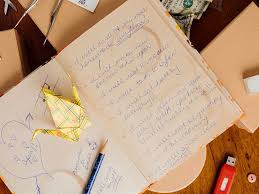
Journaling offers various methods to document thoughts, feelings, and experiences. Different types cater to specific goals, from self-reflection and stress relief to creativity and goal tracking. Exploring these diverse approaches can help individuals find a consistent and rewarding practice.
Understanding What Journaling Really Is
At its heart, journaling is about writing things down. It’s a private space for your mind. You can write about anything. It could be your day. It could be a dream. It could be a worry you have.
Think of it like talking to yourself on paper. There are no rules. No one else needs to read it. This freedom is key. It lets you be honest. It lets you be open. This is why journaling is so powerful for many people.
My First Journaling Attempt: A Tale of Sticky Notes and Panic
I remember my first real attempt at journaling. It was a few years back. I was feeling really stressed about work. My boss had given me a big project. I couldn’t sleep. My mind raced all night. I heard about journaling helping people. So, I grabbed a colorful notepad. It was supposed to be inspiring.
I sat down, pen in hand. And then. nothing. Blank page. What was I supposed to write? “Dear Diary, today I felt stressed”? It felt so silly. I ended up scribbling random thoughts on sticky notes. Then I stuck them all over my monitor. It looked like a crazy person lived there. The notes just added to my feeling of being overwhelmed. I felt like a failure. I gave up for months.
Common Journaling Myths
Myth: You need fancy notebooks. You can use any paper! A scrap piece is fine.
Myth: You must write every day. Some days you write a lot. Other days, maybe just a sentence.
Myth: It must be perfect. Grammar and spelling don’t matter here.
Exploring Different Types of Journaling
The good news is, journaling isn’t just one thing. There are many ways to do it. Each type has its own benefits. Finding the right one is like finding the right tool for a job. Let’s look at some popular methods.
1. The Daily Free-Write Journal
This is what many people think of first. It’s simple. You just write whatever comes to mind. You don’t plan it. You don’t edit it. Your mind is the guide.
Start with a simple prompt if you need one. “What is on my mind right now?” or “How am I feeling?” Let your thoughts flow onto the page. This helps clear your head. It can reveal hidden worries or joys. It’s great for understanding your current state of mind.
Quick Scan: Free-Writing Tips
- Time Limit: Set a timer for 5-10 minutes.
- No Stopping: Keep your pen moving. If you get stuck, write “I’m stuck” until something else comes.
- Honesty: Write what you truly think or feel.
2. Gratitude Journaling
This is a positive approach. You focus on things you are thankful for. It’s amazing how much this can shift your mood.
Each day, write down a few things you appreciate. They can be big or small. A sunny day. A good cup of coffee. A friend’s kind word. This practice trains your brain to see the good. It combats negative thinking. It builds a sense of contentment.
Gratitude Prompts
What made you smile today?
What skill are you grateful to have?
What simple pleasure did you enjoy?
3. Dream Journaling
Dreams can be vivid and strange. They can also be meaningful. A dream journal helps you remember them.
Keep your journal by your bed. As soon as you wake up, write down what you recall. Even if it’s just a feeling or a single image. Over time, you might see patterns. Dreams can offer insights into your subconscious. They can highlight your hopes or fears.
Dream Recall Tips
- Keep it close: Journal and pen right on your nightstand.
- No moving: Try not to move much when you wake.
- Write fragments: Jot down colors, sounds, or feelings first.
4. Bullet Journal (BuJo)
This is more than just writing. It’s a system for organizing your life. Ryder Carroll created it. It uses short notes and symbols.
A bullet journal can track tasks, events, and notes. You create your own layouts. Common elements include daily logs, monthly logs, and future logs. You also add custom “collections” for specific topics. It’s very flexible and can be artistic or minimalist.
Bullet Journal Core Components
Index: Helps you find pages later.
Future Log: For events months ahead.
Monthly Log: A calendar view for the current month.
Daily Log: For daily tasks and notes.
Collections: Pages for specific topics like books to read or project ideas.
5. Art Journaling
This type combines words with images. You use drawing, painting, collage, and writing. It’s about visual expression.
Don’t worry if you’re not an artist. The focus is on the process, not the final look. You can doodle your feelings. You can paint a scene from your day. You can cut out magazine pictures that speak to you. It’s a very freeing way to express yourself.
Art Journaling Ideas
Color Your Mood: Use colors that represent how you feel.
Vision Board Pages: Cut and paste images for your goals.
Doodle Your Day: Draw simple icons for events or feelings.
6. Travel Journal
When you travel, you collect so many experiences. A travel journal captures these memories.
You can write about the places you visit. You can stick in ticket stubs or photos. You can describe the food you eat. You can note down funny conversations. It becomes a cherished keepsake of your adventures. It helps you relive the trip later.
Travel Journal Essentials
- Keep it light: Easy to carry around.
- Sturdy pages: To hold pictures or mementos.
- Space for notes: Room for both writing and sticking things in.
7. Stream of Consciousness Journaling
This is similar to free-writing but even less structured. You write without pausing or thinking about meaning.
Imagine your thoughts are a flowing river. You just capture them as they pass. You don’t try to control them. You don’t judge them. It can uncover surprising connections in your mind. It’s excellent for breaking mental blocks.
Stream of Consciousness Tips
No Censorship: Write anything. Even nonsense.
No Punctuation (optional): Some people avoid periods to keep the flow going.
Focus on Flow: Just let the words come out.
8. Self-Care Journal
This type focuses on your well-being. It’s about checking in with yourself. You note how you are feeling and what you need.
You might track your sleep. You might list acts of self-kindness. You can explore stress triggers. You can plan relaxing activities. This journal helps you prioritize your mental and physical health. It’s a tool for self-nurturing.
Self-Care Prompts
What does my body need today?
What brings me peace?
How can I show myself kindness right now?
9. Memory Journal or Life Log
This is for capturing important life events. You document milestones. You record family history. You save precious memories.
It could be a child’s first steps. An anniversary. A significant achievement. You can include photos or notes from loved ones. This journal becomes a personal archive. It’s a way to preserve your story for yourself and future generations.
Memory Journal Ideas
Milestones: Birthdays, graduations, new jobs.
Family Stories: Anecdotes from relatives.
Special Moments: Holidays, vacations, funny family events.
10. Prompt-Based Journal
If you find starting difficult, prompts can help. These are questions or statements to guide your writing.
You can find prompts online. Or buy journals with built-in prompts. They cover all sorts of topics. From personal growth to creative ideas. This method ensures you always have something to write about. It can also introduce you to new ways of thinking.
Example Prompts
If you could have any superpower, what would it be and why?
What is something you learned recently that surprised you?
Describe your ideal day from start to finish.
11. Question-Based Journal
This is similar to prompt-based journaling. But it focuses on asking yourself deep questions.
You might ask: “What are my core values?” or “What makes me truly happy?” The goal is self-discovery. It pushes you to think critically about your life and your choices. It’s a powerful tool for personal development.
Deep Questions for Reflection
What am I most proud of?
What fears are holding me back?
What positive impact do I want to make?
12. Gratitude and Goal Journal Combo
Why not combine two powerful techniques? You can mix gratitude with goal setting.
Each session, start by listing things you’re thankful for. Then, write down one or two goals you want to work on. This balances appreciation with aspiration. It keeps you grounded while still pushing you forward.
Combo Journal Structure
Part 1: Gratitude (3-5 things you are thankful for)
Part 2: Goals (1-2 action steps for today or this week)
13. Reading Journal
Do you love to read? A reading journal helps you track your books. It also helps you remember what you learned.
You can note down the title and author. Write a brief summary. What did you think of the book? What ideas stuck with you? It’s a great way to deepen your understanding of what you read. It also creates a nice list of recommendations for others.
Reading Journal Entries
Book Title:
Author:
Key Takeaways:
Rating: (e.g., 1-5 stars)
14. Therapy Journal
This journal is for working through specific issues. Often with the help of a therapist.
You might write about feelings that are hard to talk about. You can prepare for therapy sessions. You can process challenging experiences. It provides a safe space for deep emotional work. It’s a powerful supplement to professional help.
Therapy Journal Focus Areas
Difficult Emotions: Explore feelings like sadness, anger, or anxiety.
Behavior Patterns: Notice repeated actions and their triggers.
Progress: Track how you are handling challenges.
15. Creative Writing Journal
This is for anyone who wants to write stories, poems, or scripts.
You can jot down story ideas. You can develop characters. You can practice dialogue. You can experiment with different writing styles. It’s a place to nurture your imagination and build your writing skills. It’s pure creative exploration.
Creative Writing Prompts
Start a story with the line: “The old clock chimed thirteen.”
Describe a world where gravity works differently.
Write a poem about your favorite color.
Real-World Scenarios: Where Journaling Fits In
Journaling isn’t just for quiet nights at home. It can fit into many parts of your life. Think about how different people use it.
A student might use a bullet journal. They track assignments and exam dates. They also note down lecture points. This helps them stay on top of their studies. It also acts as a study aid for reviewing notes.
A busy parent might keep a gratitude journal. They focus on small moments of joy. The laughter of their child. A quiet cup of tea. This helps them find balance. It reminds them of the good things, even on hectic days.
Someone dealing with anxiety might use a self-care journal. They track triggers. They write about coping strategies. They plan relaxing activities. This empowers them to manage their feelings. It’s a practical tool for mental well-being.
An artist might use an art journal. They sketch ideas. They mix colors. They write down thoughts about their work. This helps them explore their creativity. It’s a space for experimentation. It fuels their artistic process.
Even travelers benefit. A travel journal becomes a storybook of their trip. They paste in maps. They write about local food. They capture the feel of a new place. It turns a vacation into a lasting memory.
What This Means For You
Seeing all these different types can be exciting. But it might also feel a bit much. Don’t let it overwhelm you.
The most important thing is to find what works for you. What are you hoping to get from journaling? Are you looking for peace? Are you trying to get organized? Are you wanting to be more creative?
It’s okay if your needs change. You might start with a gratitude journal. Later, you might switch to a bullet journal. Or maybe you’ll use two different journals for different purposes. There’s no single “right” way.
When It’s Normal and When to Maybe Seek More Support
Journaling is generally a safe and helpful practice. For most people, it’s a way to process everyday thoughts and feelings. It can bring relief and clarity. It’s a normal part of self-care for many.
However, there are times when journaling might not be enough. Or it might bring up difficult emotions. If you are dealing with severe trauma, depression, or anxiety, journaling alone might not be sufficient.
If you find your journaling is causing you more distress. If you are having thoughts of harming yourself. Or if you are struggling to function day-to-day, please reach out for help. Talking to a doctor or a mental health professional is a sign of strength. They can offer support and guidance tailored to your needs.
Quick Tips to Get Started (No Matter Your Style)
Ready to try journaling? Here are some simple steps to get going.
- Choose Your Medium: Pick a notebook, a digital app, or even just a document on your computer.
- Set a Time: Even five minutes a day can make a difference.
- Start Small: Don’t aim for pages and pages at first. A few sentences are perfect.
- Be Kind to Yourself: If you miss a day, that’s okay. Just pick up where you left off.
- Experiment: Try different types of journaling until one clicks.
Frequently Asked Questions About Journaling
What is the best type of journal for beginners?
For beginners, a gratitude journal or a daily free-write journal is often easiest. Gratitude journals focus on positive things, which can feel uplifting. Free-writing lets you put any thoughts down without pressure. Both are simple ways to start.
Do I have to write every single day?
No, you absolutely do not have to write every single day. Consistency is good, but it’s more important to be gentle with yourself. Some weeks you might write daily, other weeks you might only write once or twice. The key is to return to it when you can, not to force it.
Can journaling really help with stress and anxiety?
Yes, journaling can be a very effective tool for managing stress and anxiety. Writing down your worries can help you understand them better. It can also be a way to process difficult feelings. This process, known as expressive writing, often leads to reduced stress levels.
How long should my journal entries be?
Your journal entries can be any length you want. Some people prefer short, quick notes. Others like to write pages. For beginners, starting with just a few sentences is perfectly fine. The goal is to express yourself, not to fill a quota.
Is it okay to write negative things in my journal?
Yes, it is absolutely okay, and often beneficial, to write negative things. Your journal is a safe space for all your feelings. Expressing negative emotions on paper can help you process them. It can be a healthy outlet instead of keeping them bottled up inside.
What if I don’t know what to write about?
This is a common hurdle. Try using journal prompts. You can find lists online for free. Or try a free-writing exercise: just write whatever comes to mind for 5 minutes without stopping. Sometimes, the simple act of putting pen to paper unlocks ideas.
Conclusion
Journaling is a personal journey. The best type is the one you’ll actually do. Don’t be afraid to mix and match styles. Or to create your own unique approach. Find what helps you connect with yourself.
Happy journaling! Your thoughts are valuable, and writing them down can be a rewarding experience.